A missing limb, an isolated head, a surviving relief, and a cast after a distant original. These works show how sculpture is changed by damage, copying, and collection history.
These works survive as fragments, casts, or partial records. Look for breaks, missing elements, restoration, and evidence of copying; each affects what can be known about the original object.
01
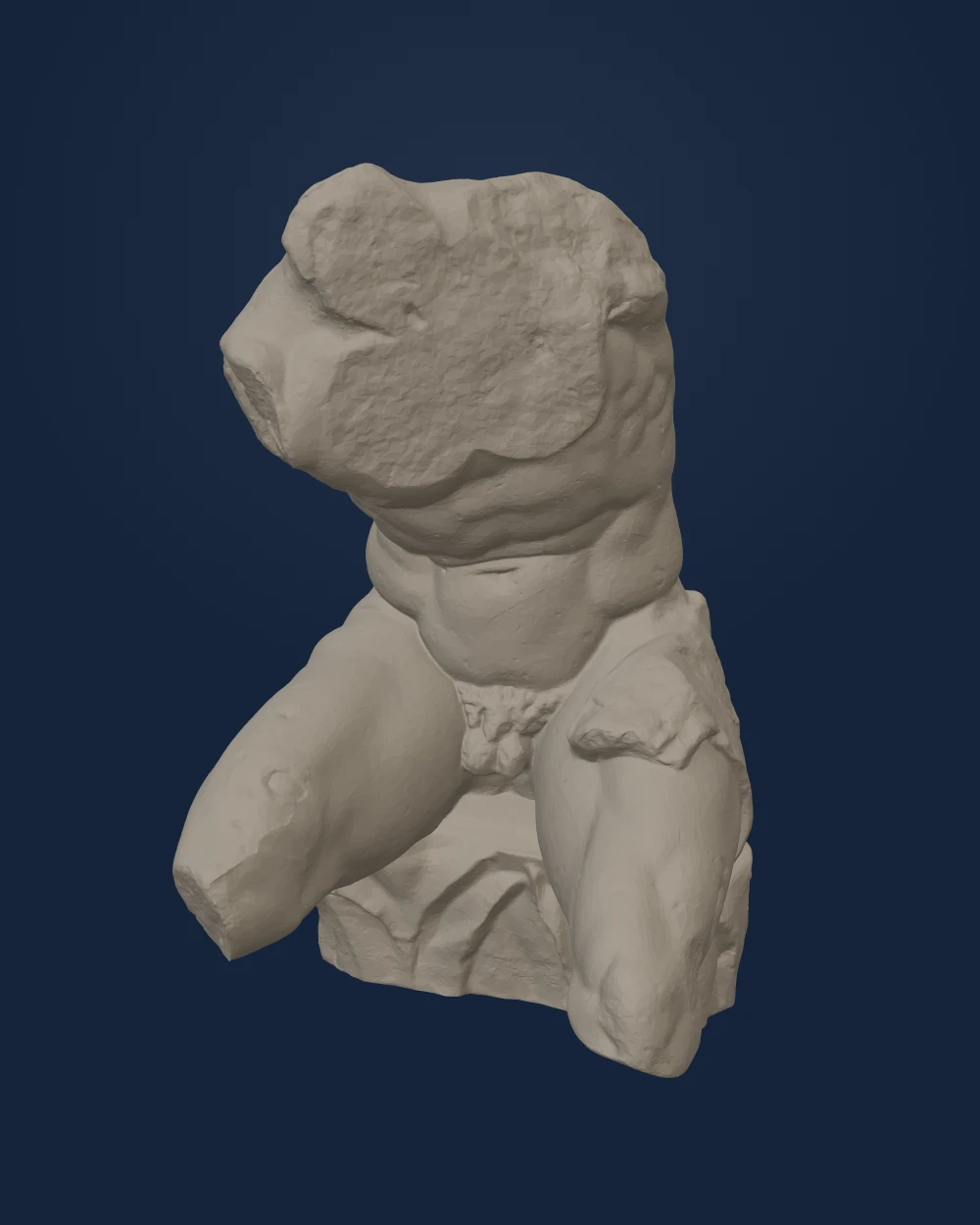
Belvedere Torso
Apollonios · 1st century BCE · Marble
Probably a seated hero, perhaps Ajax, this work survives as a torso and thighs. The twist between hip and ribcage still indicates the original pose, especially when viewed in the round. Michelangelo studied the torso closely.
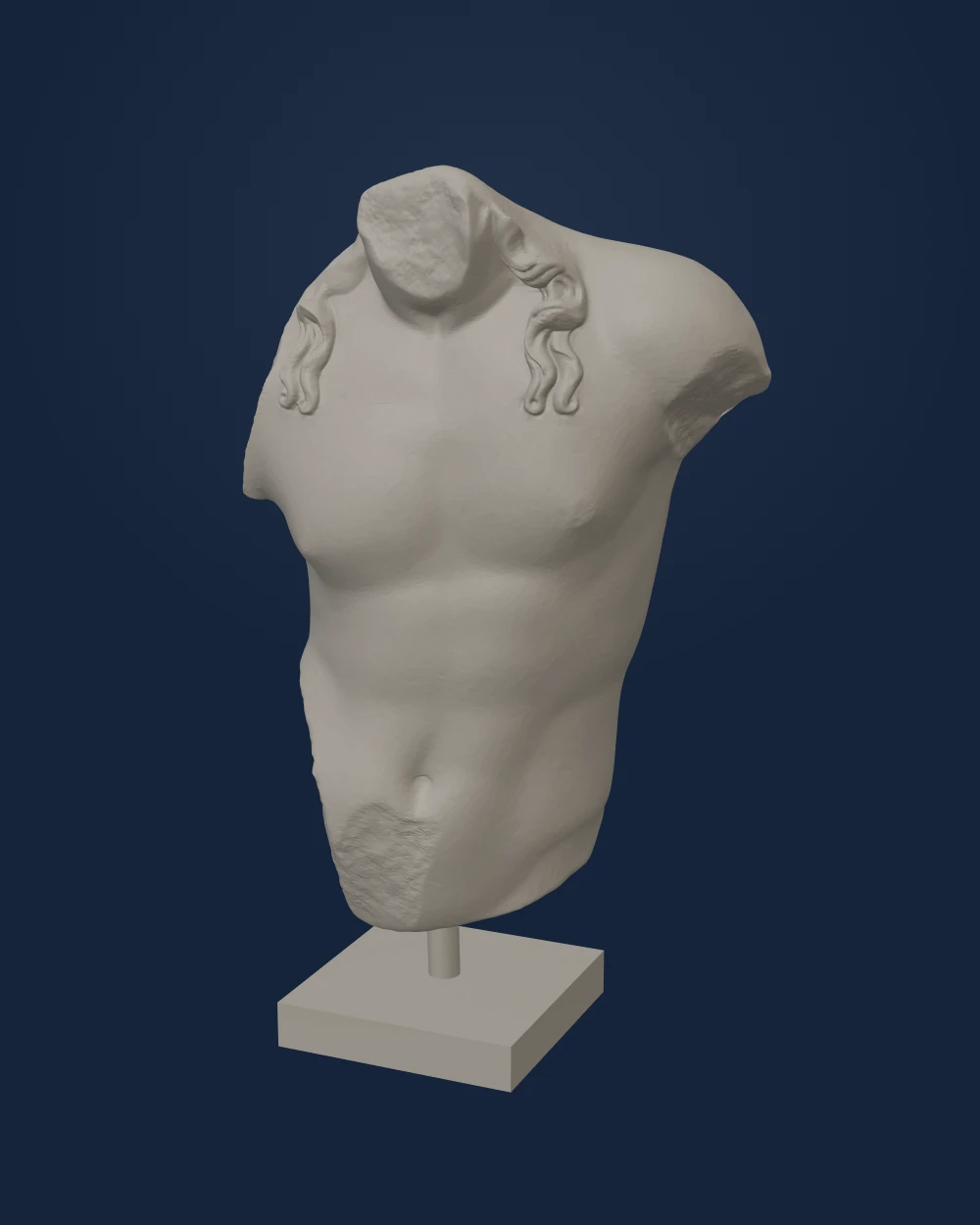
This fragment has no known name or date and survives without head or arms. The lightly modeled musculature is one of the few available clues to how the original figure was conceived.
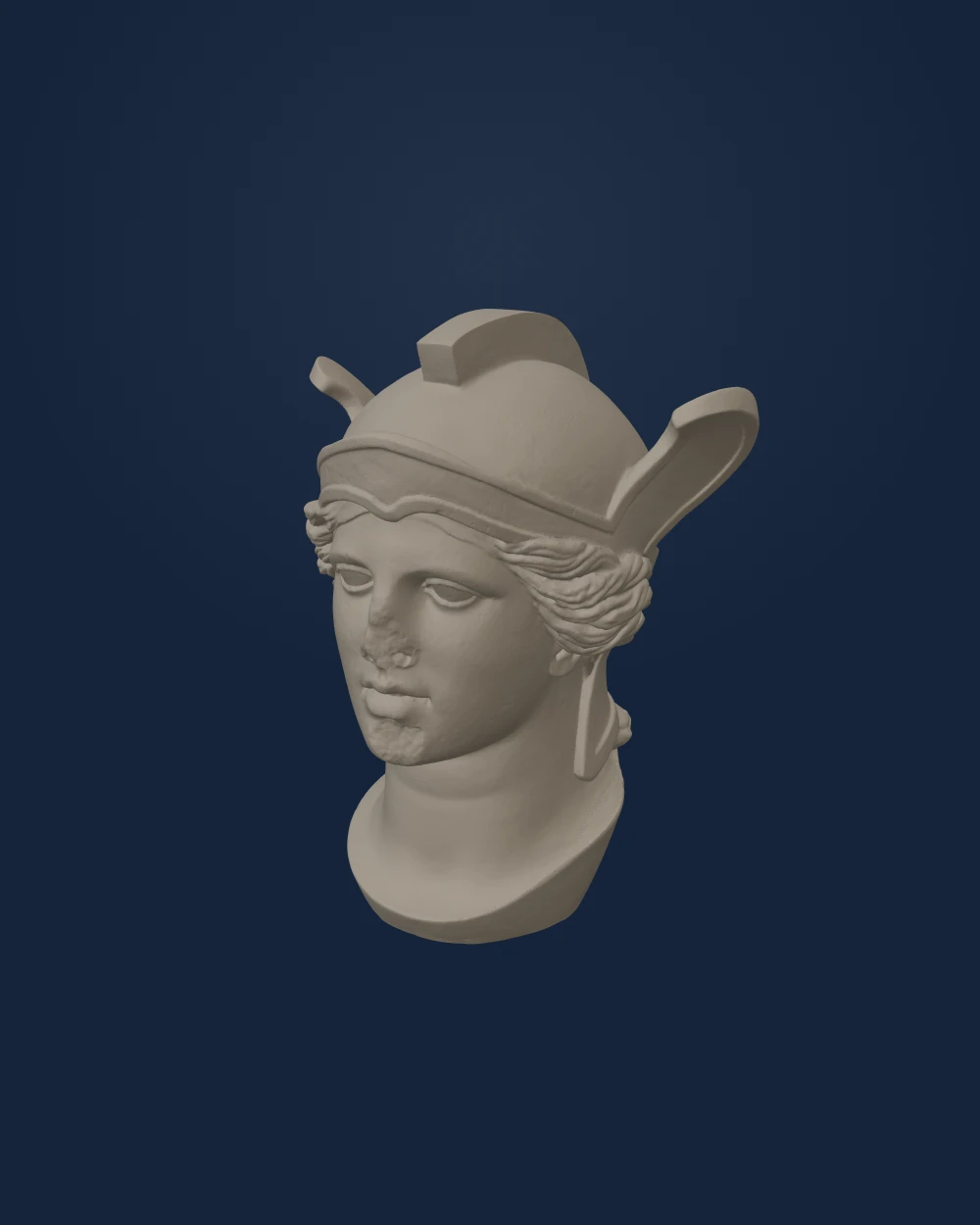
Phidias’s gold-and-ivory Athena Parthenos is lost. This plaster records a later copy associated with Athena’s sanctuary at Pergamon, preserving the design at several removes from the original.
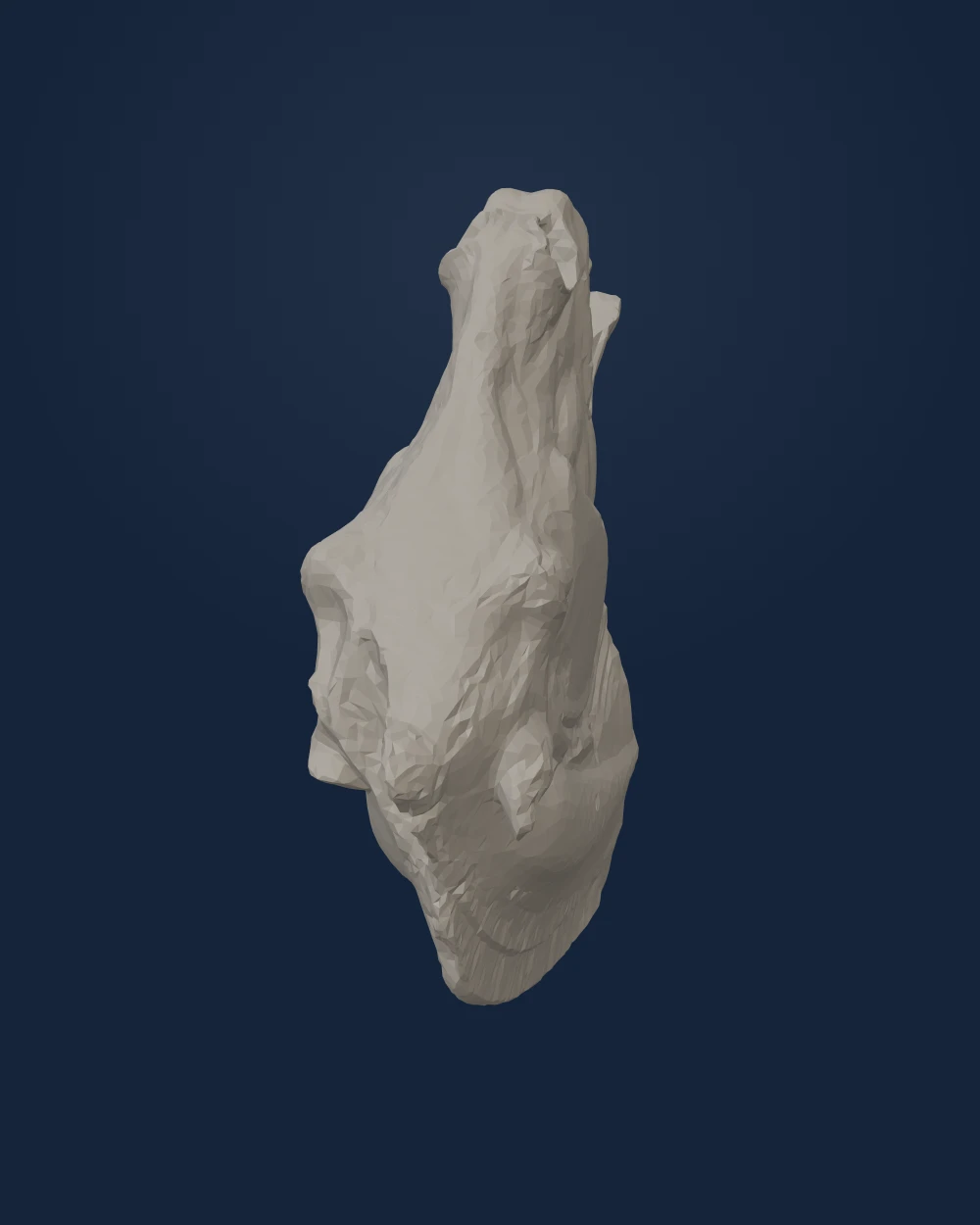
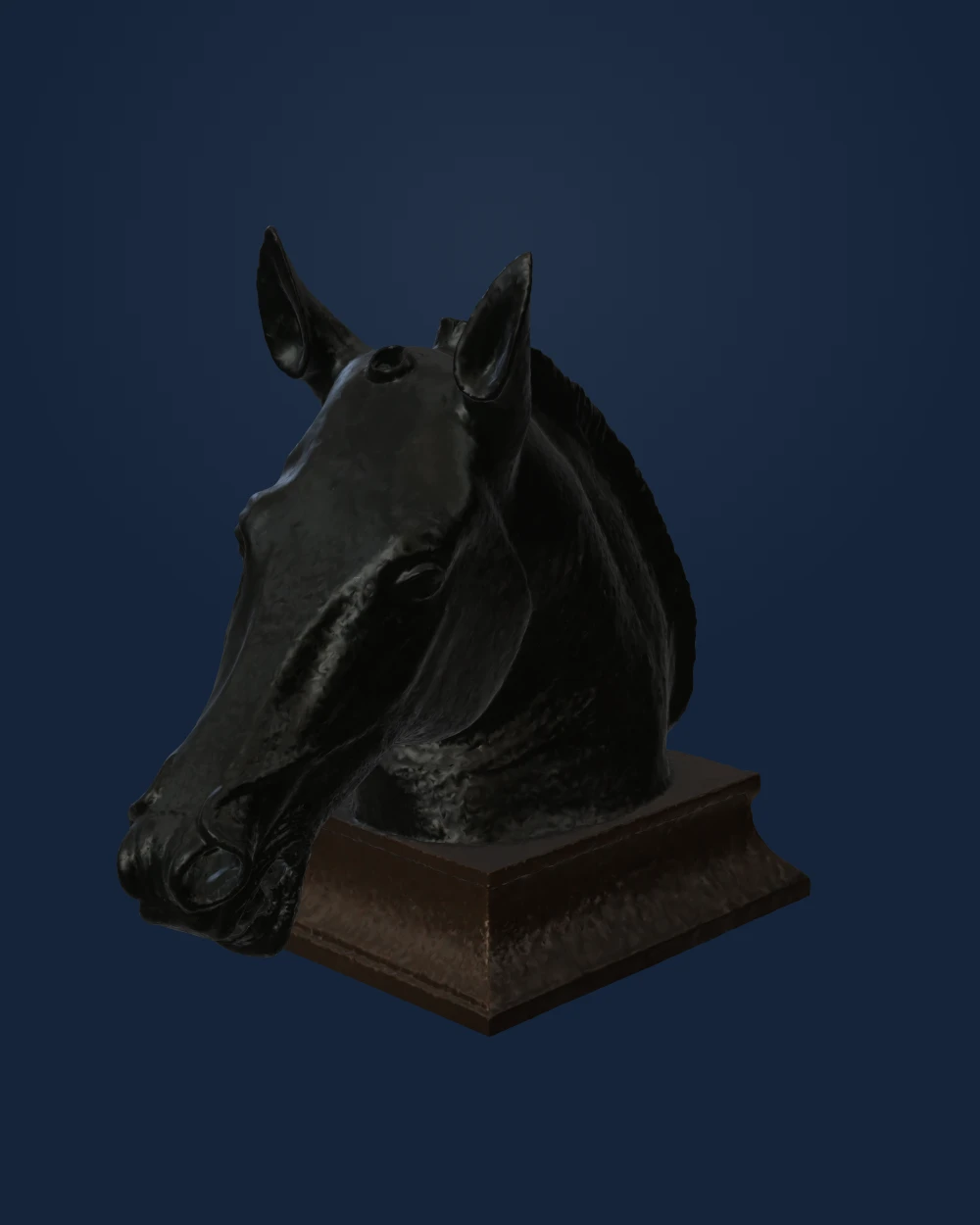
This horse head comes from the team that drew Selene’s moon chariot on the Parthenon’s east pediment. The strained jaw, vein, and flared nostril were designed to read at the low corner of the architectural setting.
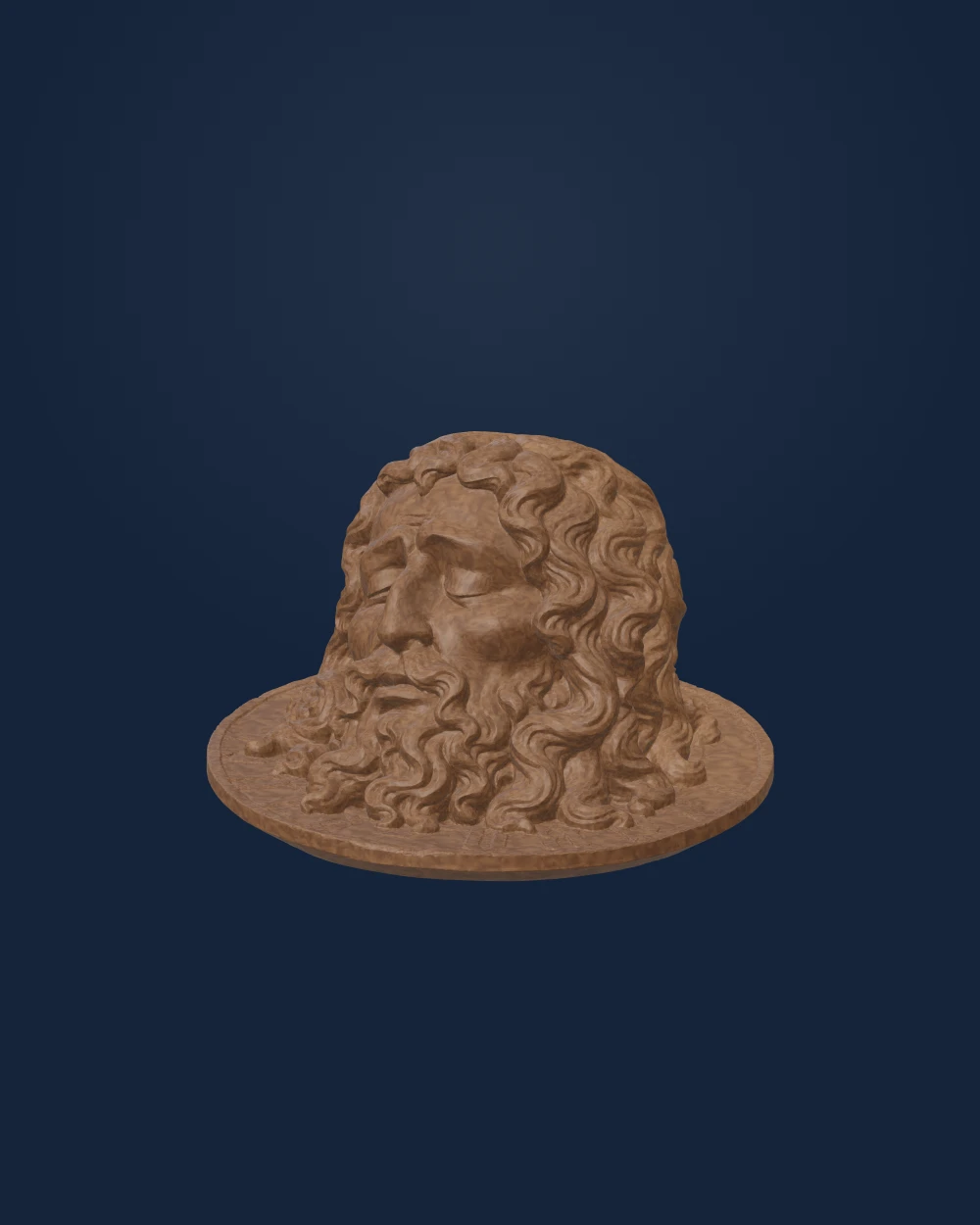
Carved in oak around 1430, this is intentionally a head on a platter: the subject is John the Baptist’s beheading. Its partial form belongs to the original design, rather than later damage.
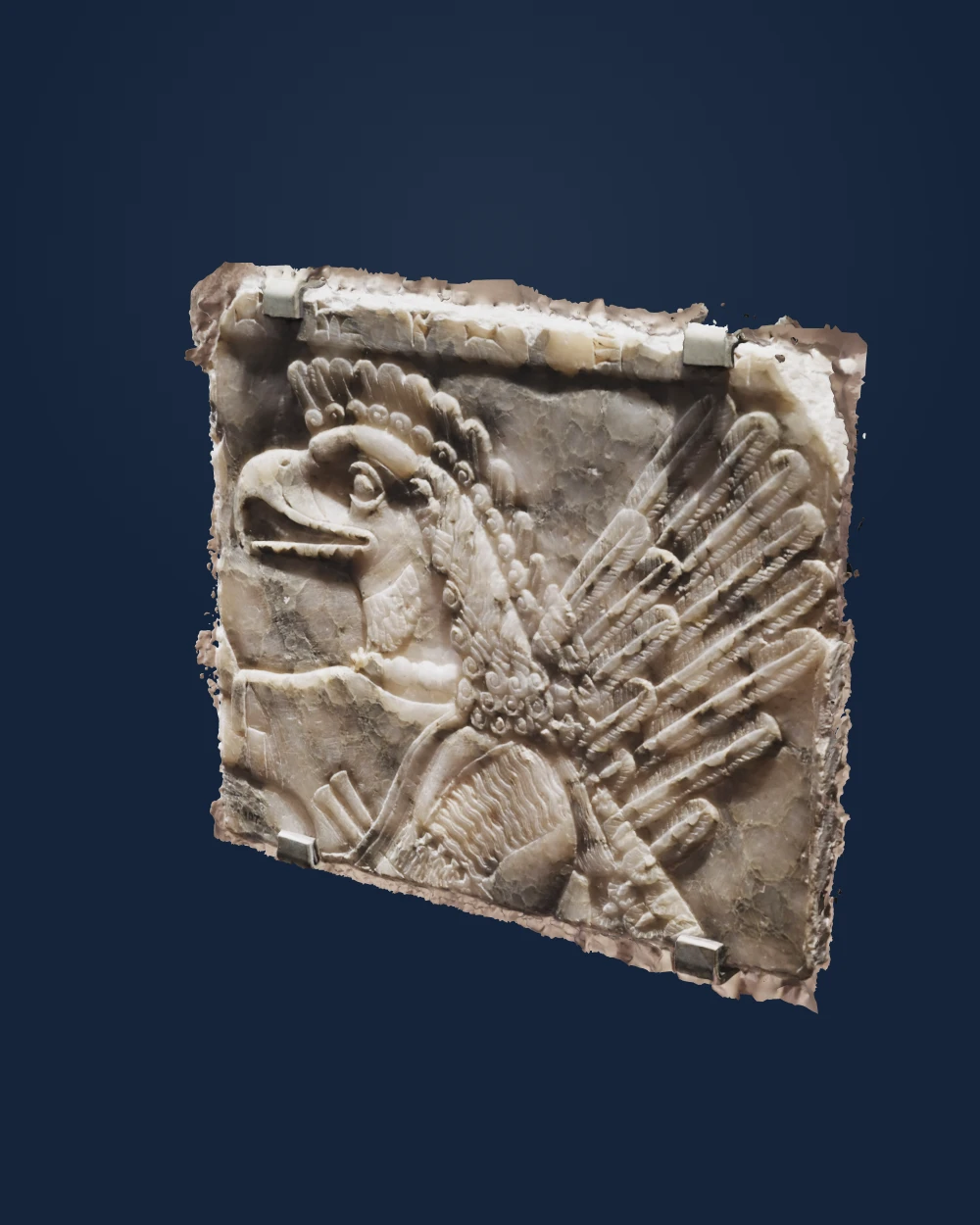
Unknown Assyrian artist(s) · 883-859 BCE, reign of Ashurnasirpal II · Alabaster
This eagle-headed figure came from the palace walls of Ashurnasirpal II at Nimrud. Wing feathers are incised row by row in alabaster; the broken edges show that the relief was once part of a larger wall program.
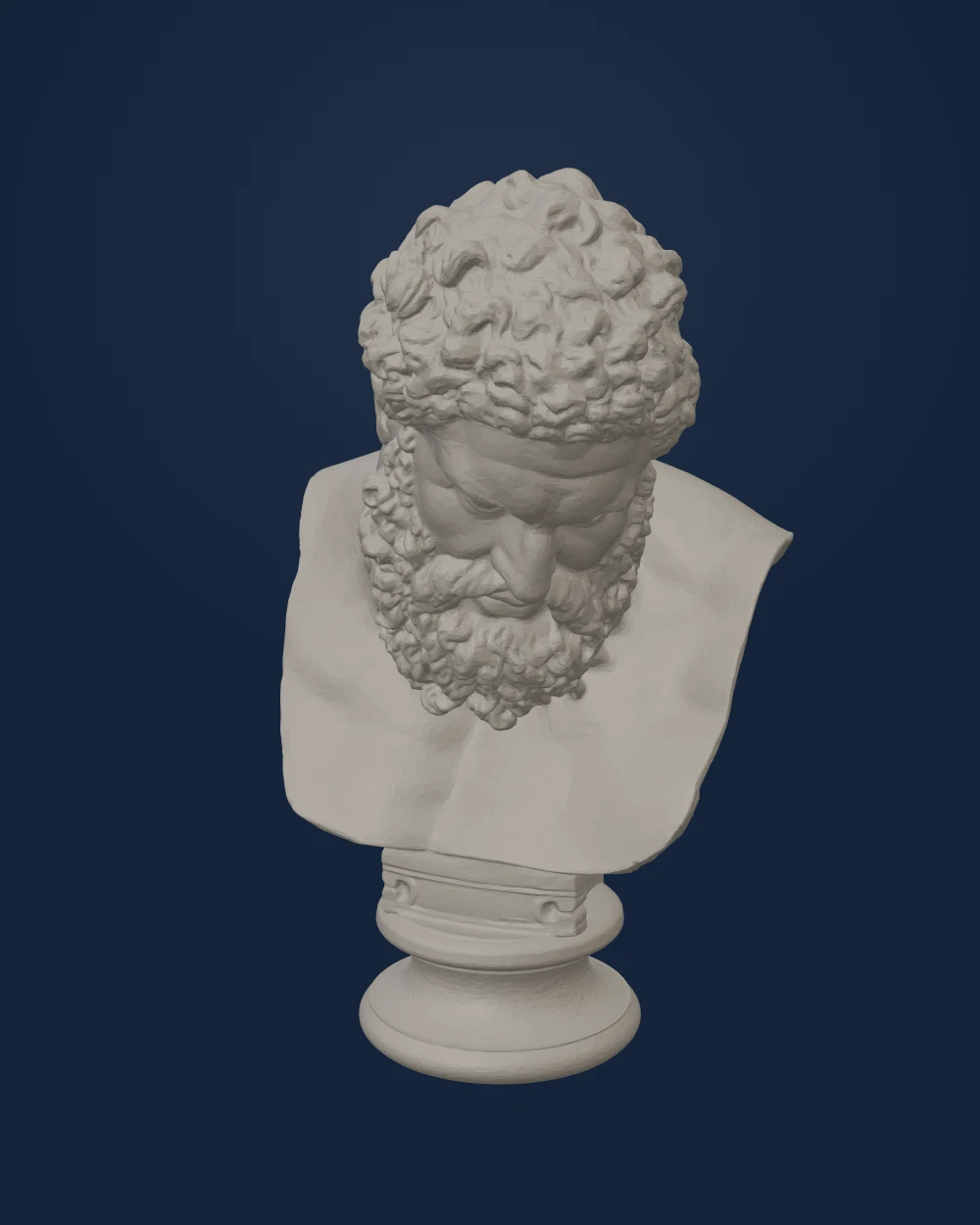
This head belongs to a Hercules type usually shown resting on a club. Although the body and club are missing here, the downcast gaze still relates to that larger composition.
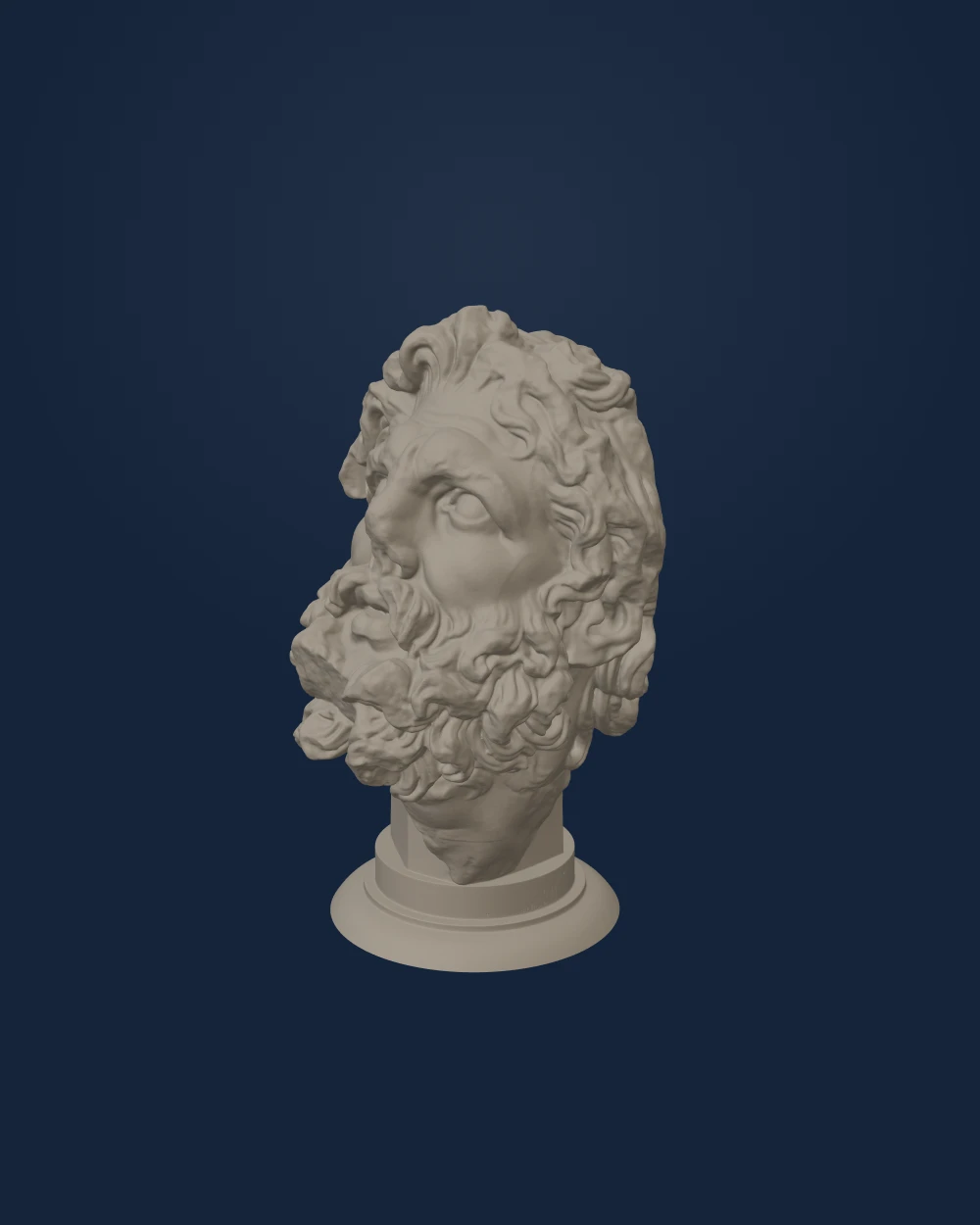
This giant’s head came from the north side of the Pergamon Altar’s battle of gods and giants. Deep drill channels in the hair create strong contrasts of light and shadow.
This bronze horse head from Herculaneum ends at the neck. Its opening reveals hollow casting: large bronze sculpture is typically formed as a metal shell rather than a solid block.
Ancient Near East and Egypt · ca. 1350-1340 BCE · Quartzite
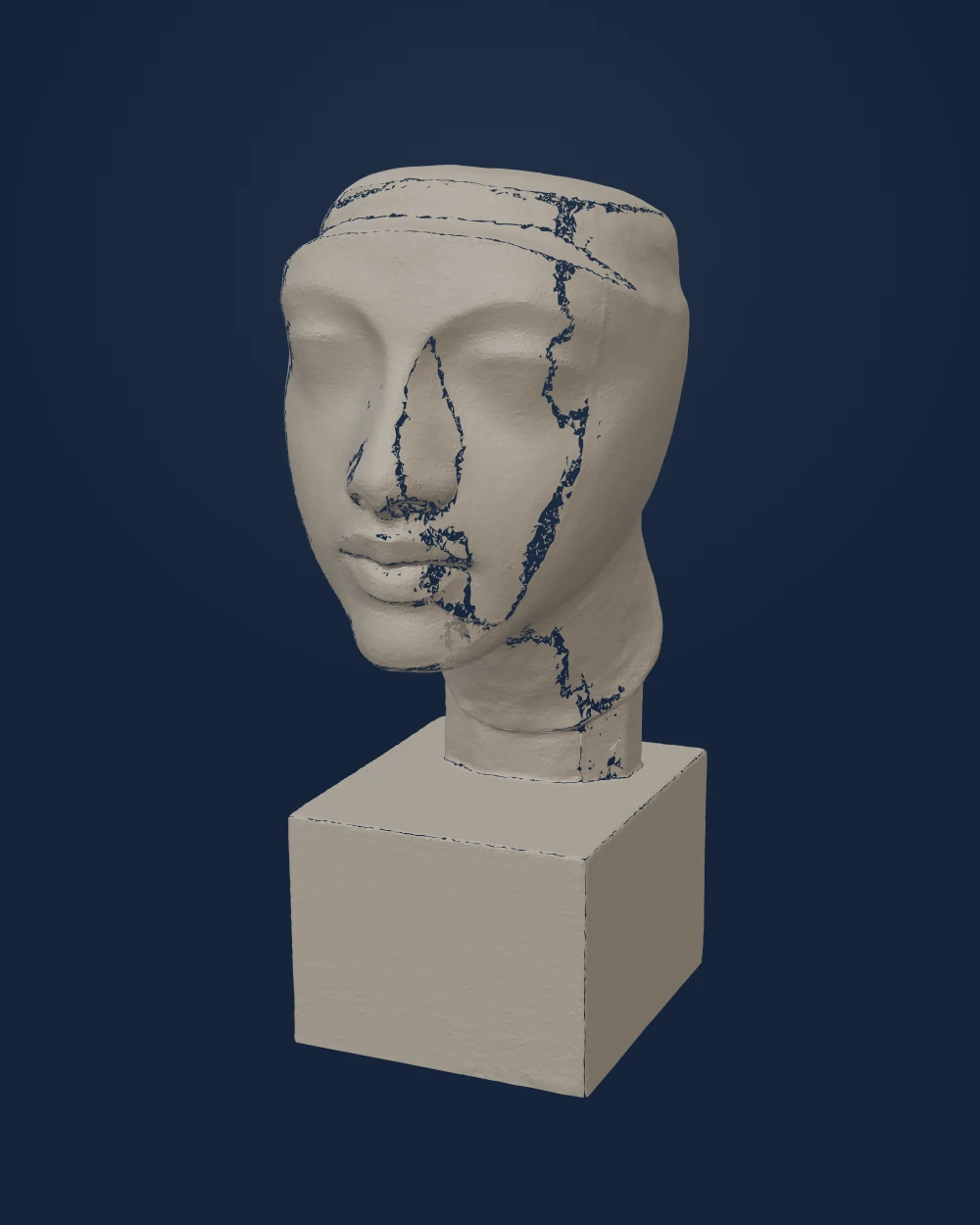
This quartzite head from Tell el-Amarna represents a daughter of Akhenaten. The elongated skull follows the Amarna style; the missing body is the result of later loss rather than part of the design.