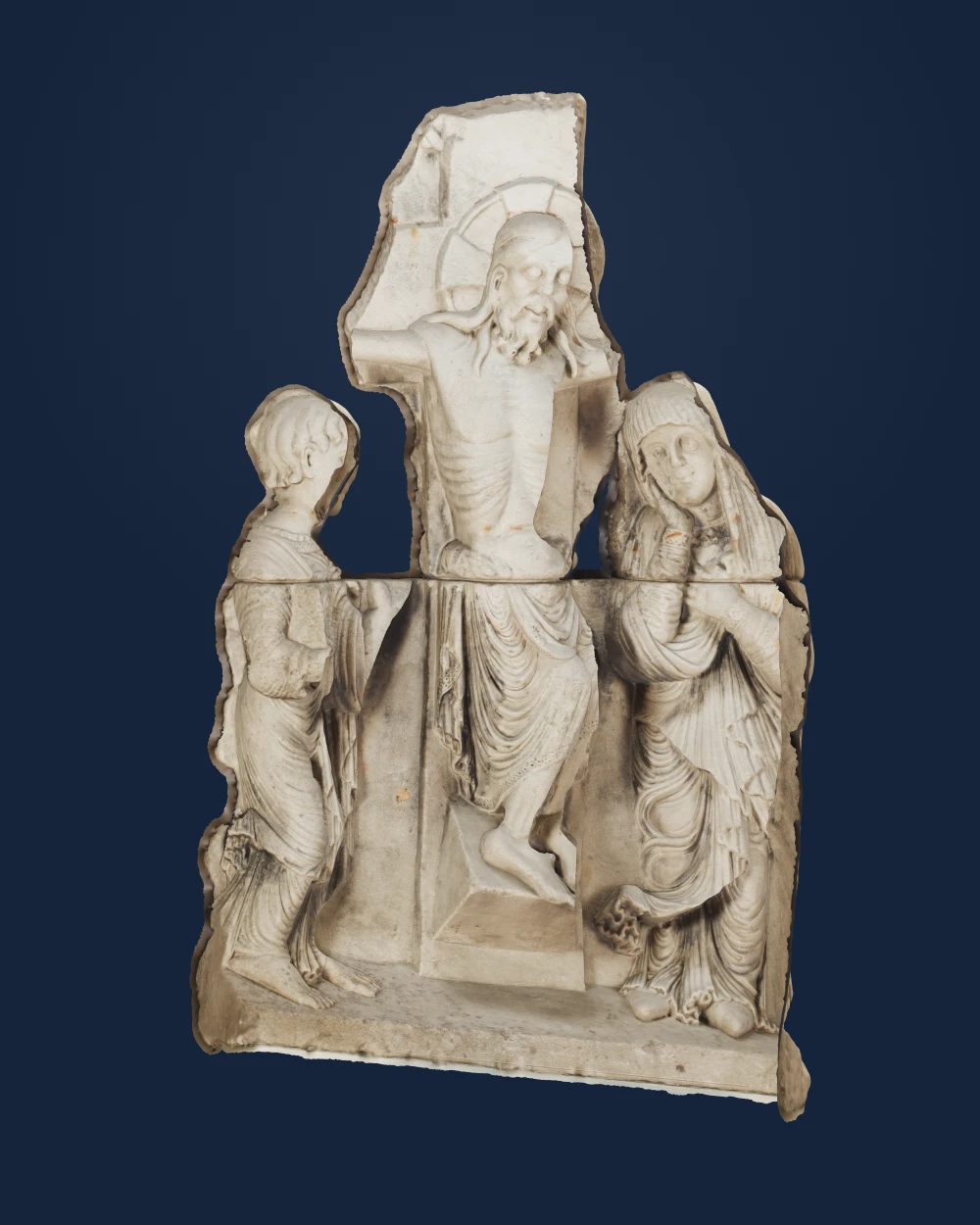
Crucifixion
Unknown Spanish sculptor · c. 1180
Drag to orbit · right-drag or two-finger drag to pan · scroll or pinch to zoom · double-tap to reset
Digital sculpture museum · 508 works
Examine the work from more than one angle. Drag to turn the model, then scroll for exhibitions and the full collection.
01 / About the collection
Atrium brings together object records, images, and 3D models from public collections. Use them to compare form, material, scale, and construction at your own pace.
508works to explore
3Dviews where model data is available
Opensource records linked throughout
02 / Comparisons
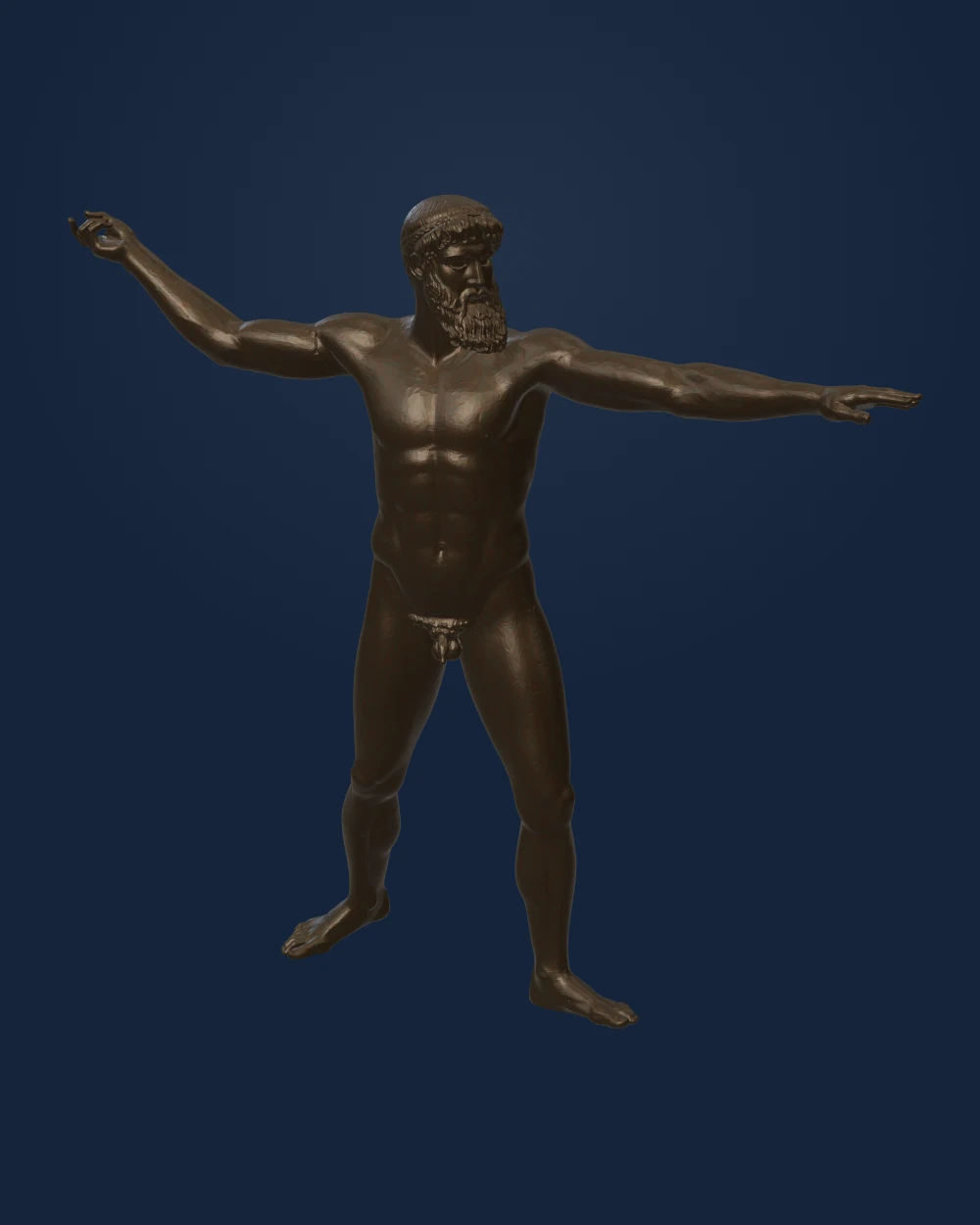
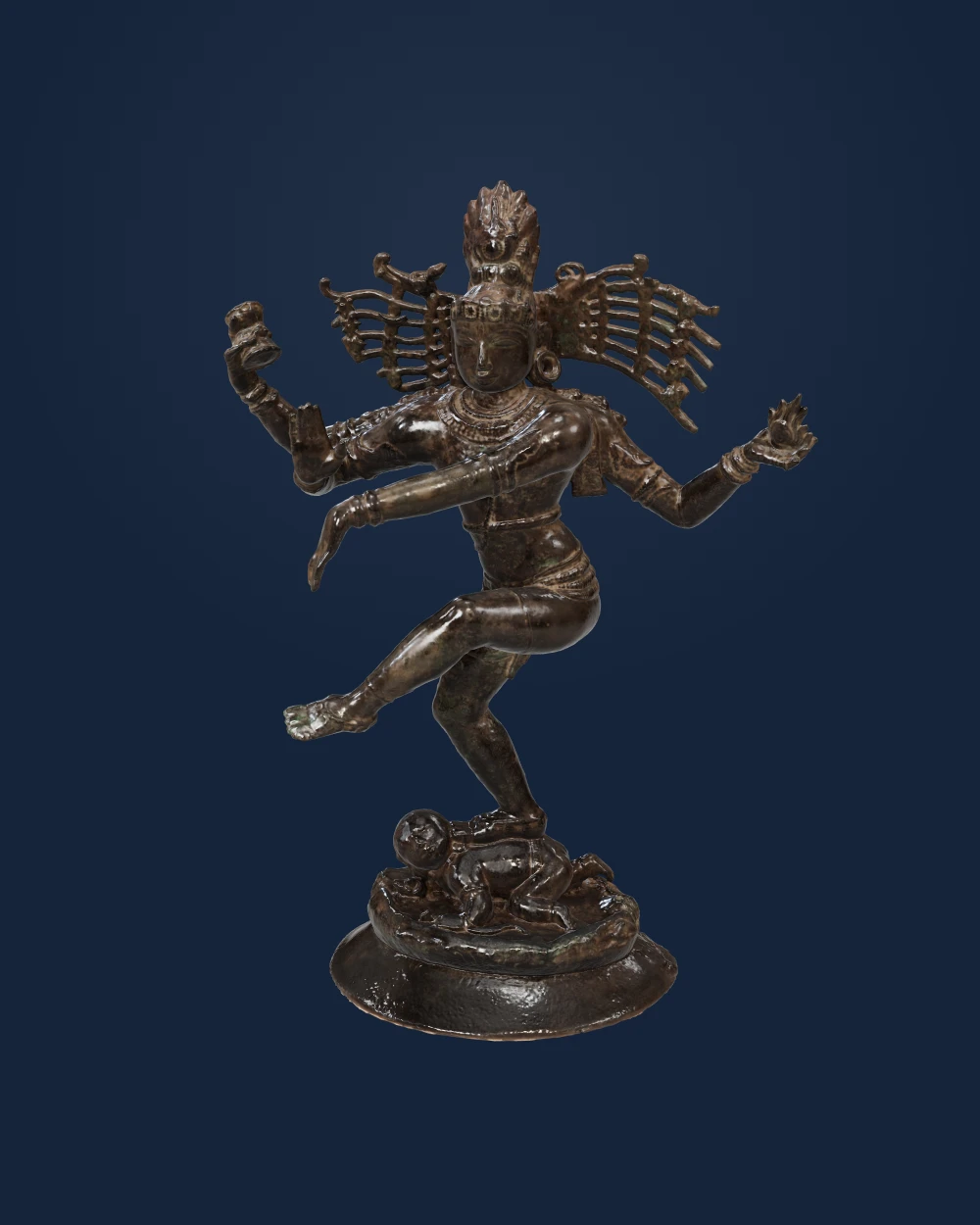
Figures in Motion
Both works use a raised limb and a carefully balanced body to suggest action. They were made about fifteen centuries apart.
Artemision Bronze · 460–450 BCE
Shiva Nataraja (Lord of the Dance) · c. 1100
Defeat in Sculpture
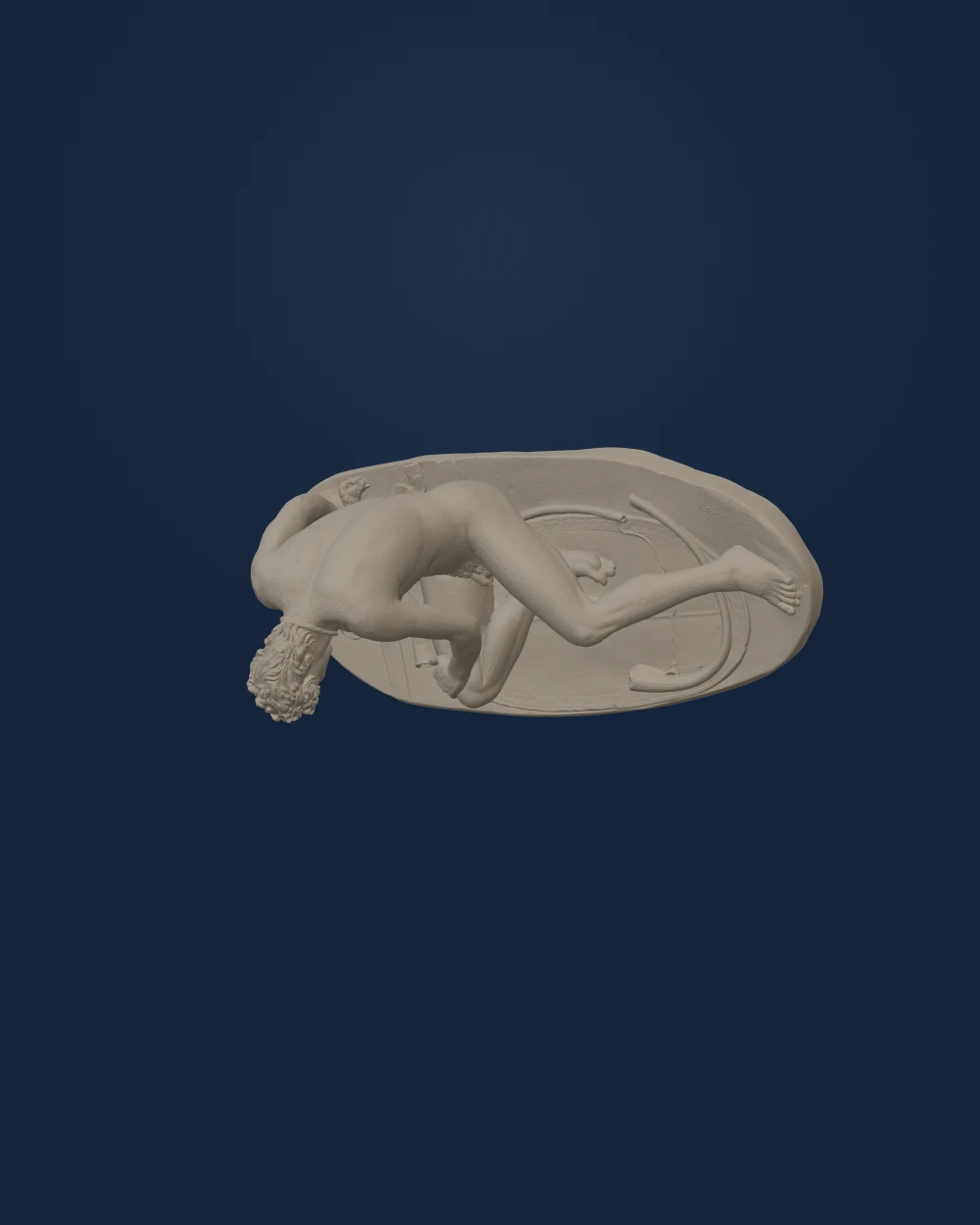
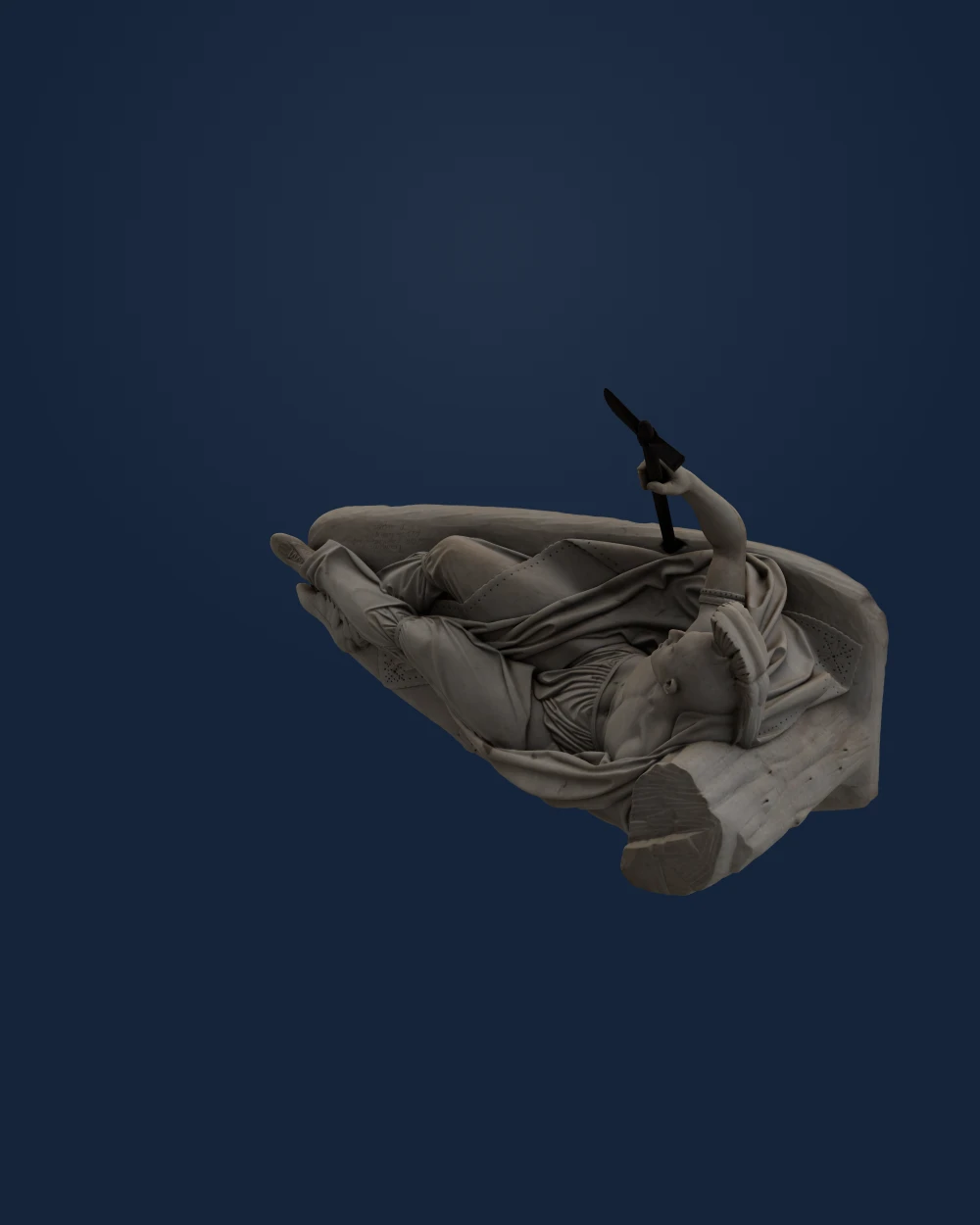
Both works show defeated warriors supported by one arm. Each was made within a culture that framed the subject through military victory.
Dying Gaul · c. 225 BCE
The Dying Tecumseh · modeled c. 1837-1846, carved 1856
Neolithic Contemporaries
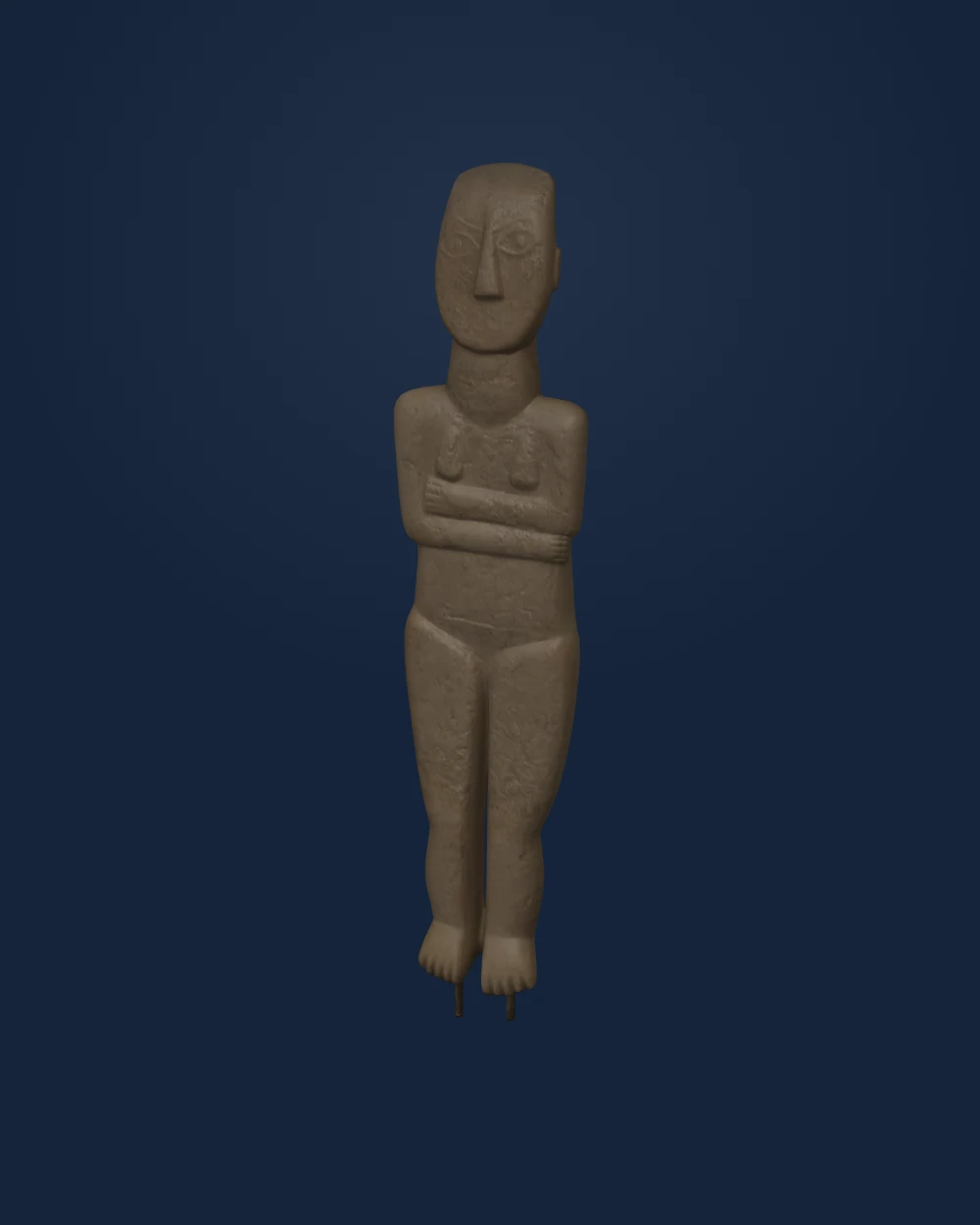
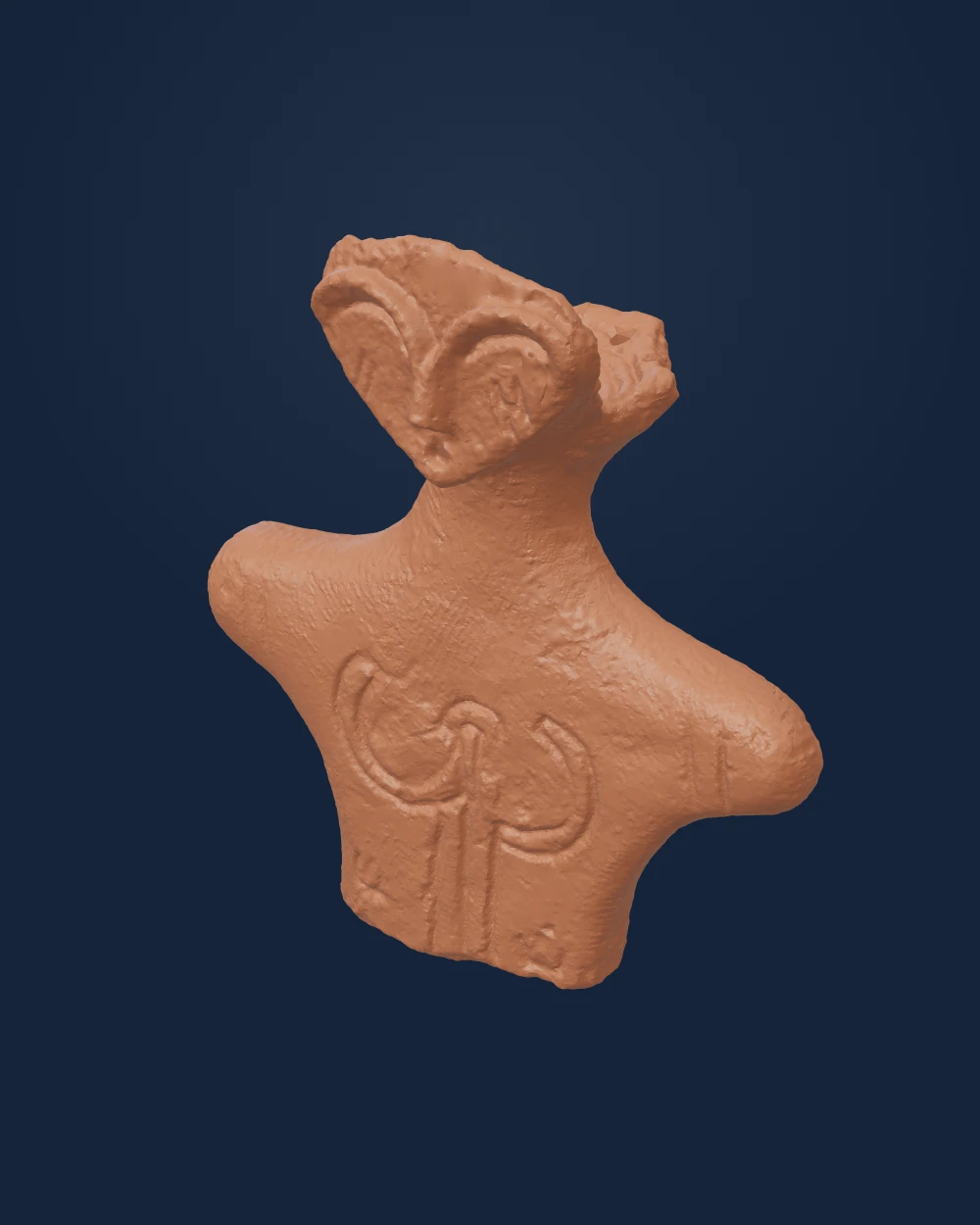
Made at roughly the same time in different regions, these works use contrasting materials and approaches: flat marble planes in the Aegean and ridged clay ornament in Jōmon Japan.
Cycladic Marble Female Figure · ca. 2700–2400/2300 BCE
Miss Umataka dogu · Middle Jomon period, approximately 3500-2500 BCE
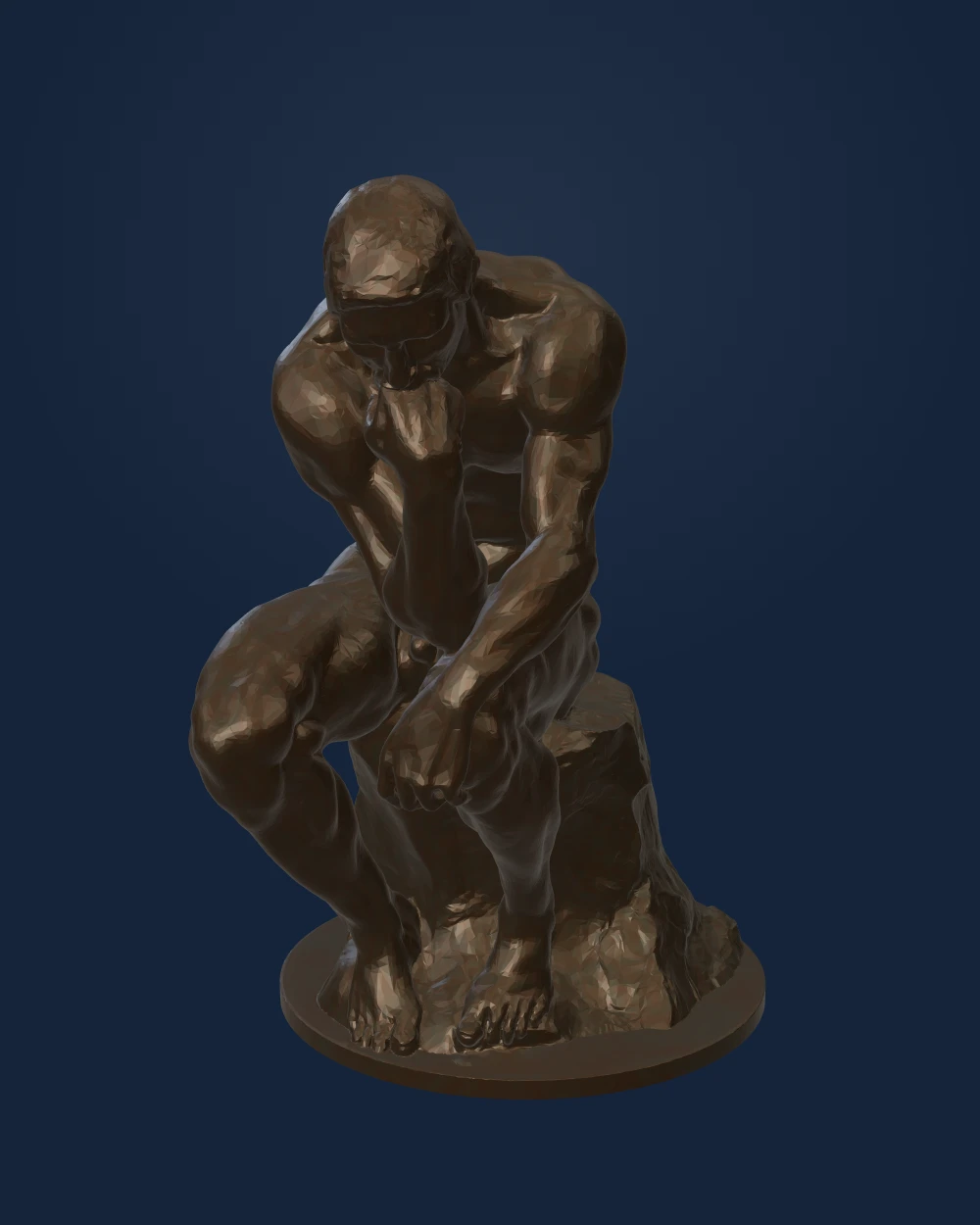
Seated Figures
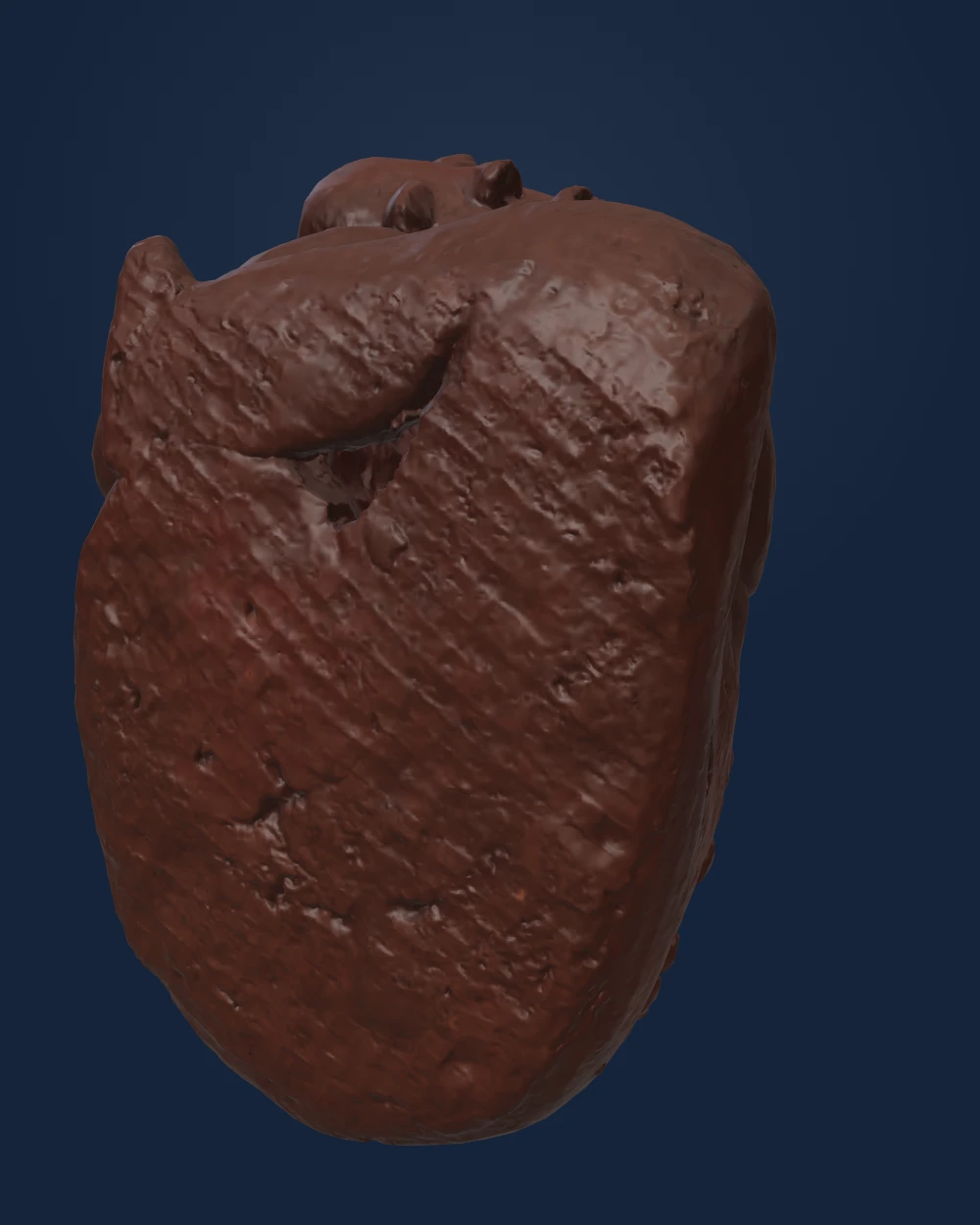
Both works use a compact seated pose. One rests a bronze chin on a knuckled hand; the other draws a terracotta torso inward.
The Thinker · 1903
Seated Figure Middle Niger · 13th century
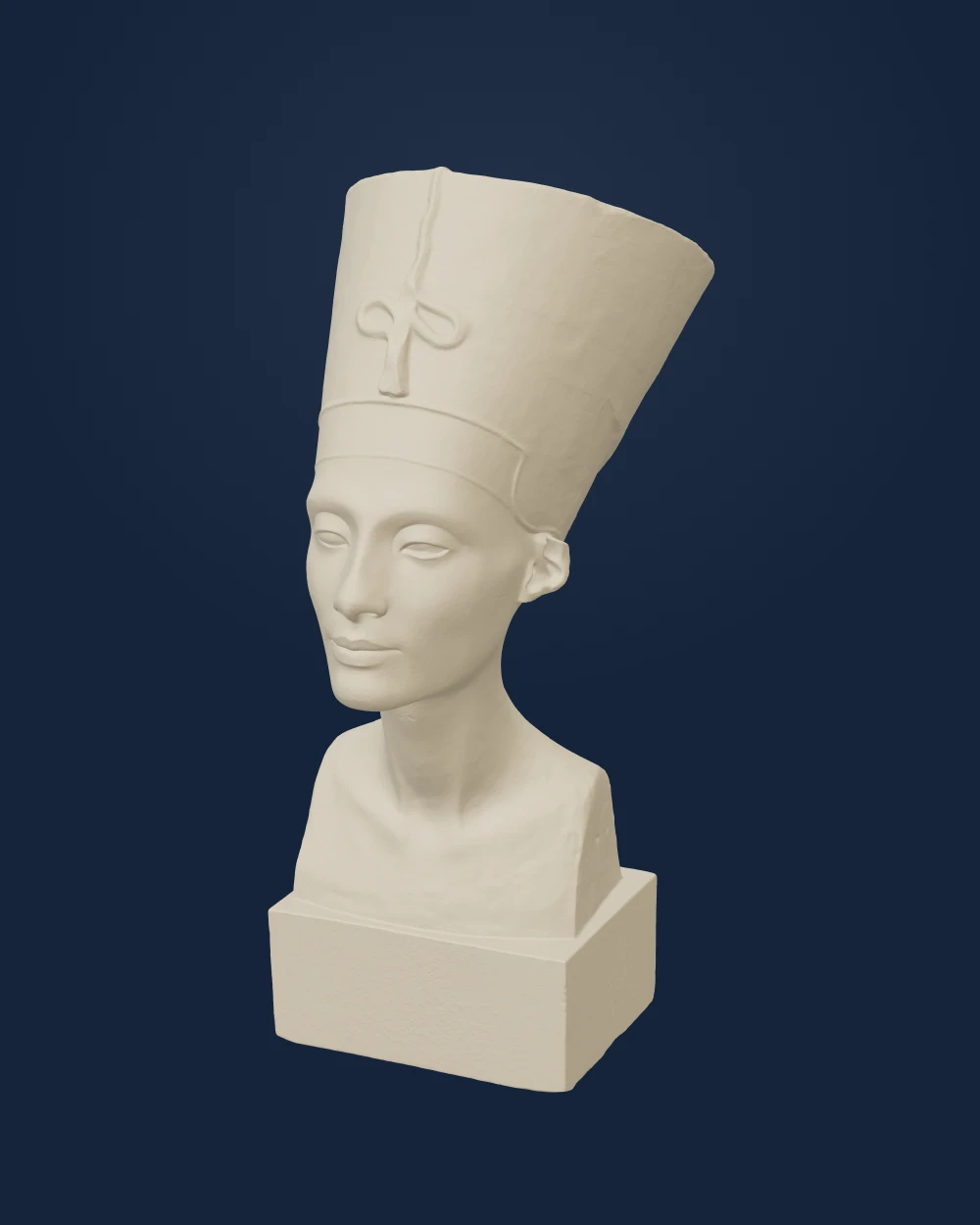
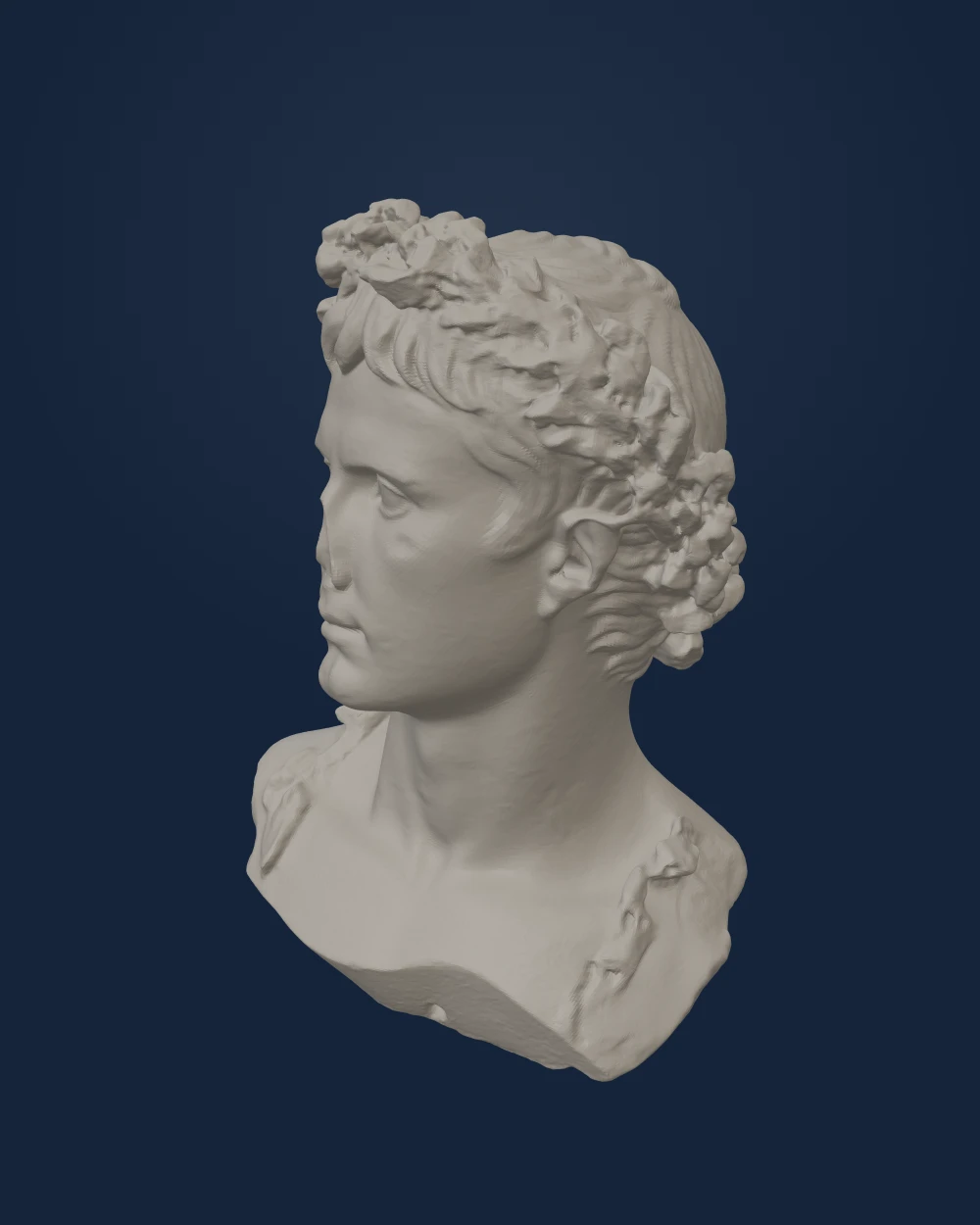
Portraits of Authority
These portraits use symmetry, controlled expression, and idealized features to represent authority across a span of roughly thirteen centuries.
Portrait of Nefertiti · c. 1345 BCE
Bust of Augustus Wearing the Oak Crown · 1st century CE
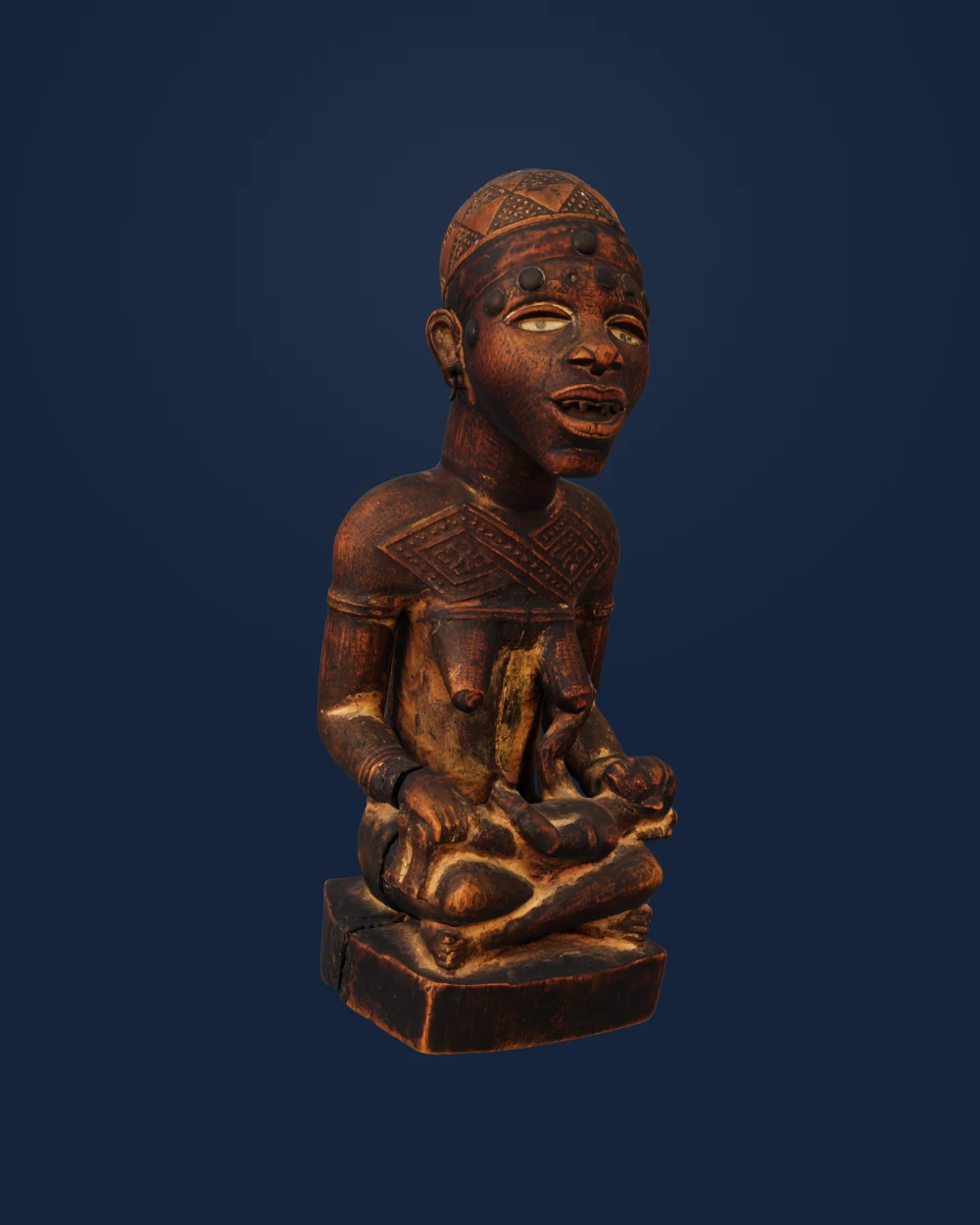
Mother and Child
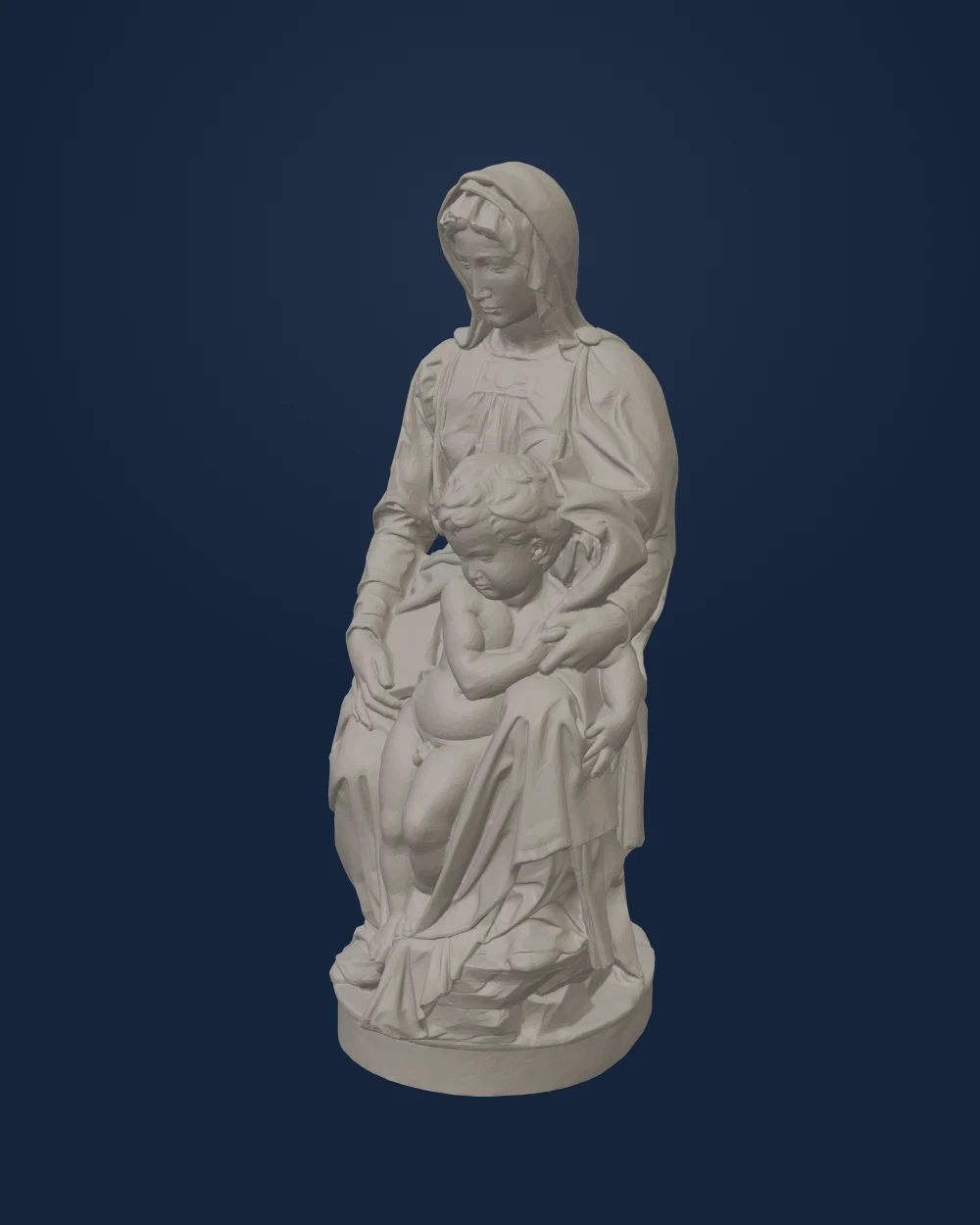
Made an ocean and four centuries apart, both works use the mother’s body and hands to support and frame a child.
Kongo Maternity Figure · mid-19th to early 20th century
Bruges Madonna · 1501-1504
03 / Exhibitions
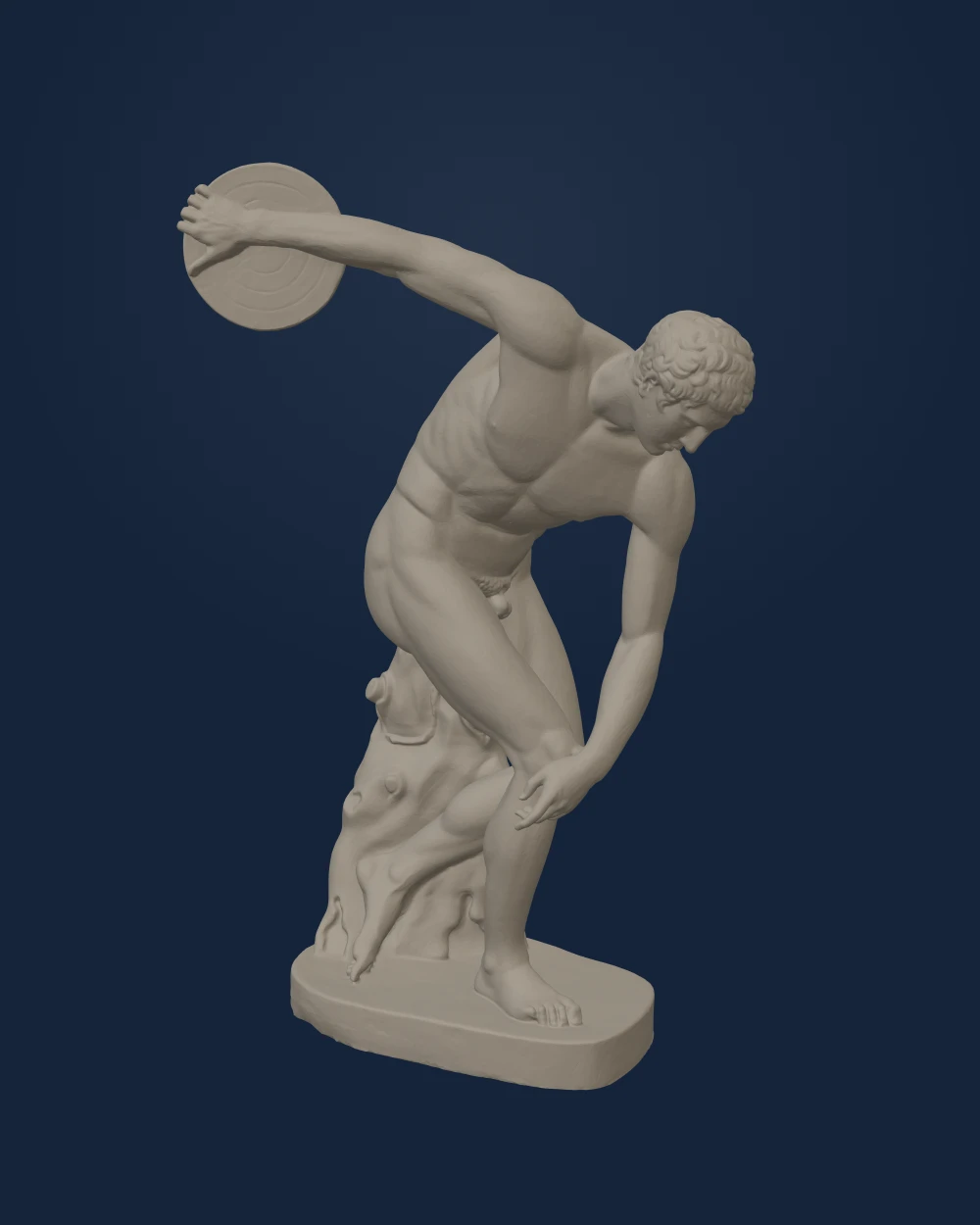
Gesture, force, balance
Eleven works that use posture, balance, and composition to describe movement: throwing, falling, wrestling, dancing, and walking.
 ↗ 02
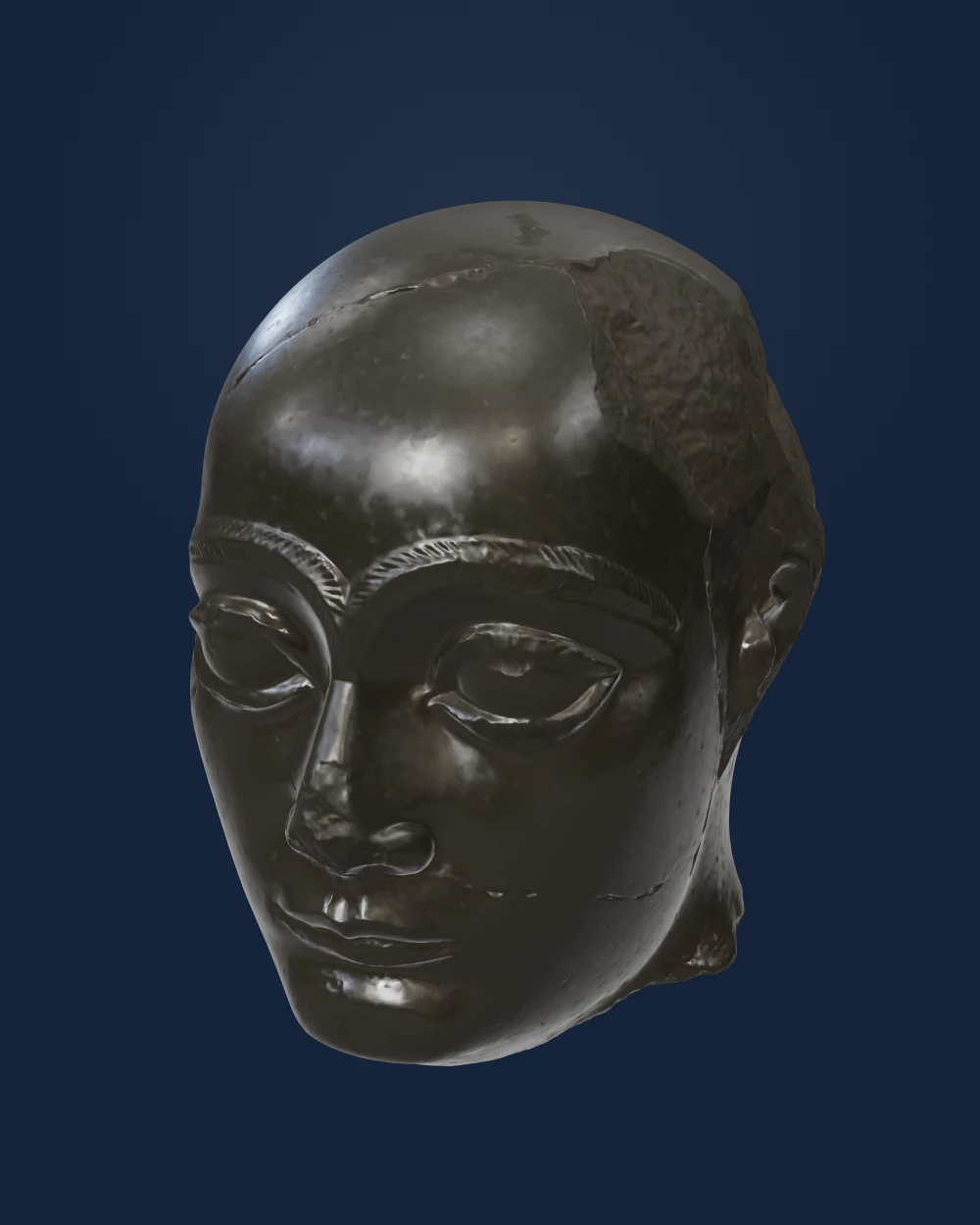
↗ 02 Rulers, protectors, ancestors
Across time and place, sculpture has represented authority through scale, posture, material, costume, and religious or political symbols.
 ↗ 03
↗ 03 Devotion, protection, passage
Works associated with prayer, protection, remembrance, and passage. They come from distinct traditions and should be understood in relation to their original settings.
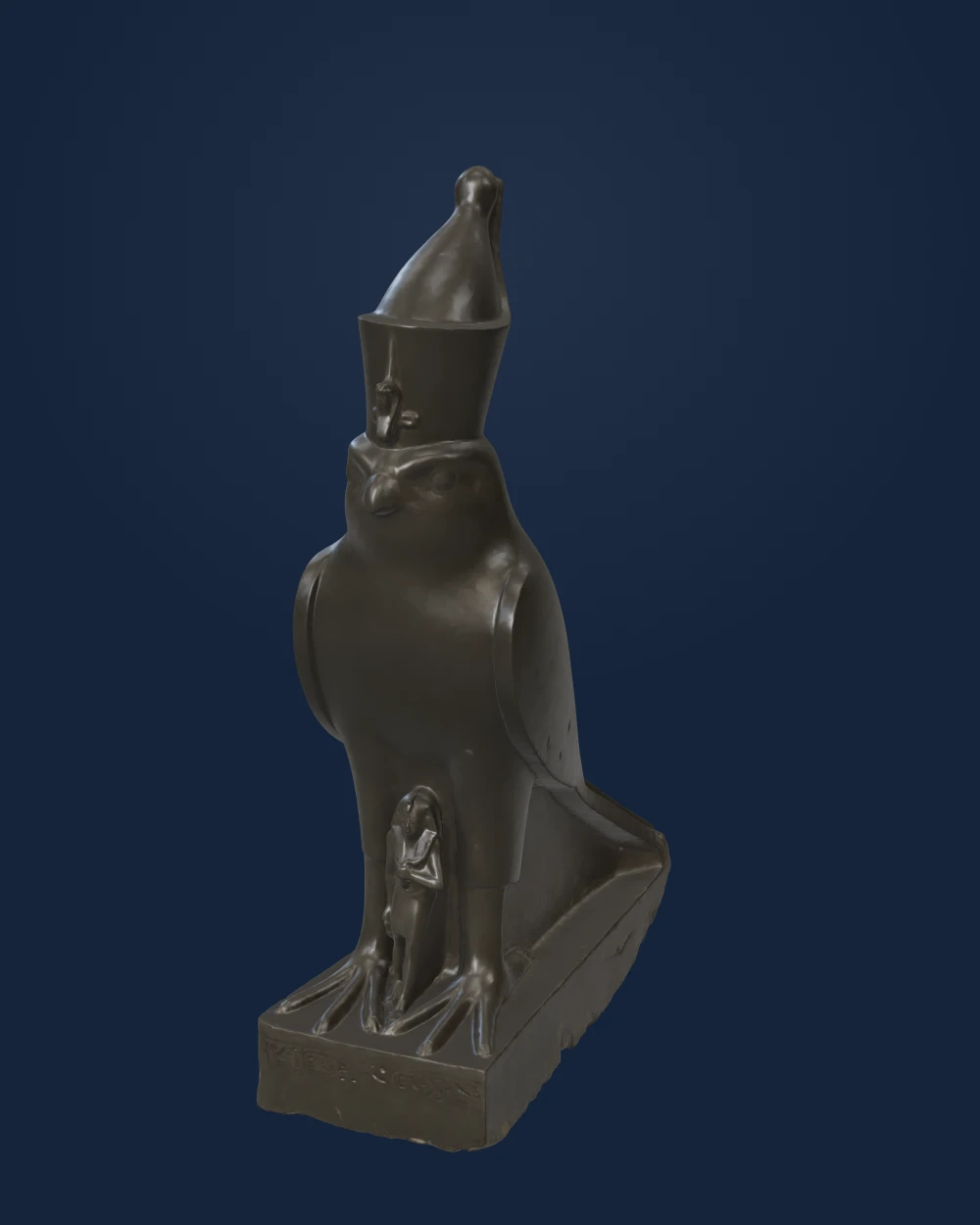 ↗ 04
↗ 04 Fragments, casts, afterlives
A missing limb, an isolated head, a surviving relief, and a cast after a distant original. These works show how sculpture is changed by damage, copying, and collection history.
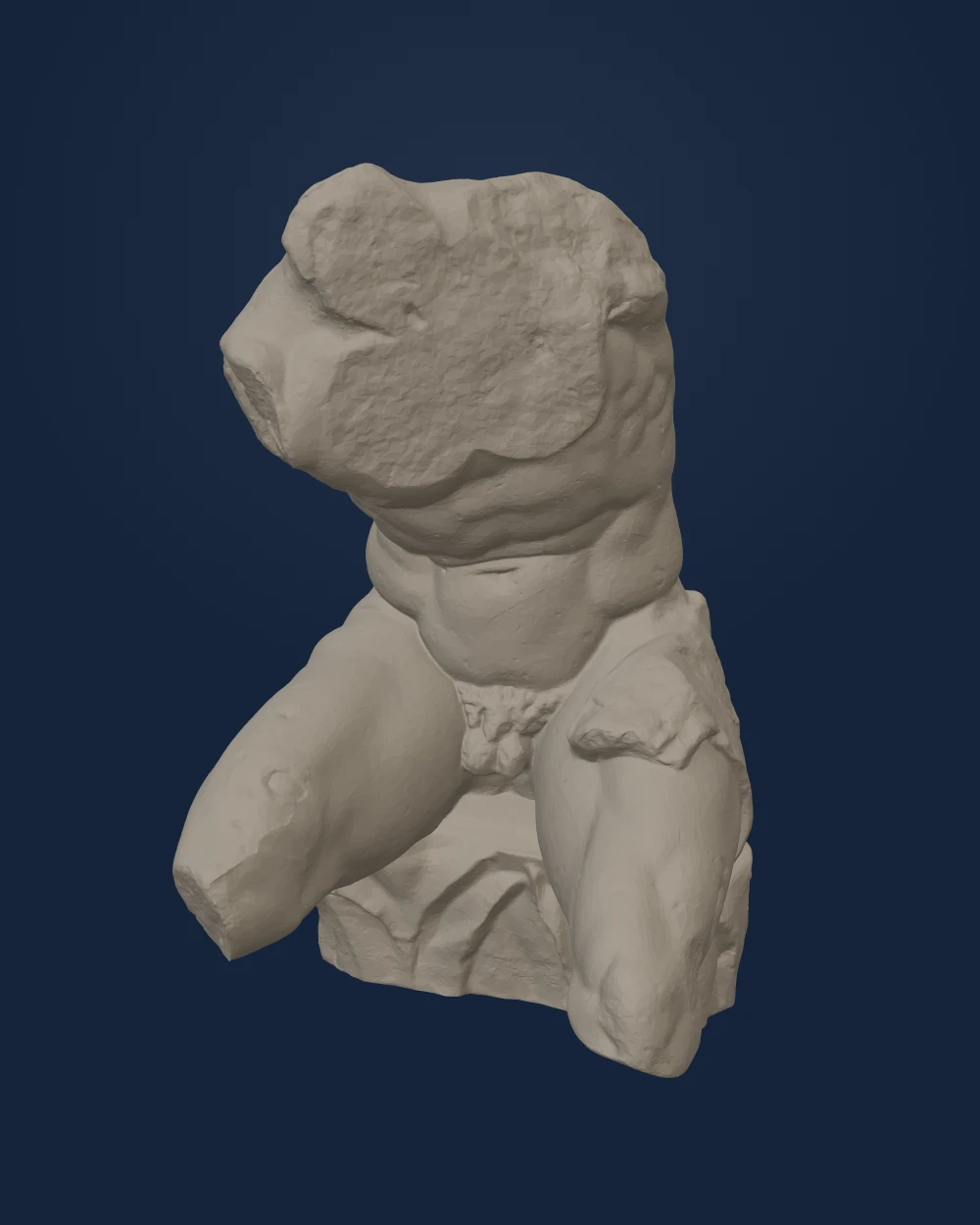 ↗ 05
↗ 05 Carving, relief, ornament
Ten works in which shallow relief, incised lines, drilled depth, modeled clay, and painted or carved ornament carry essential information.
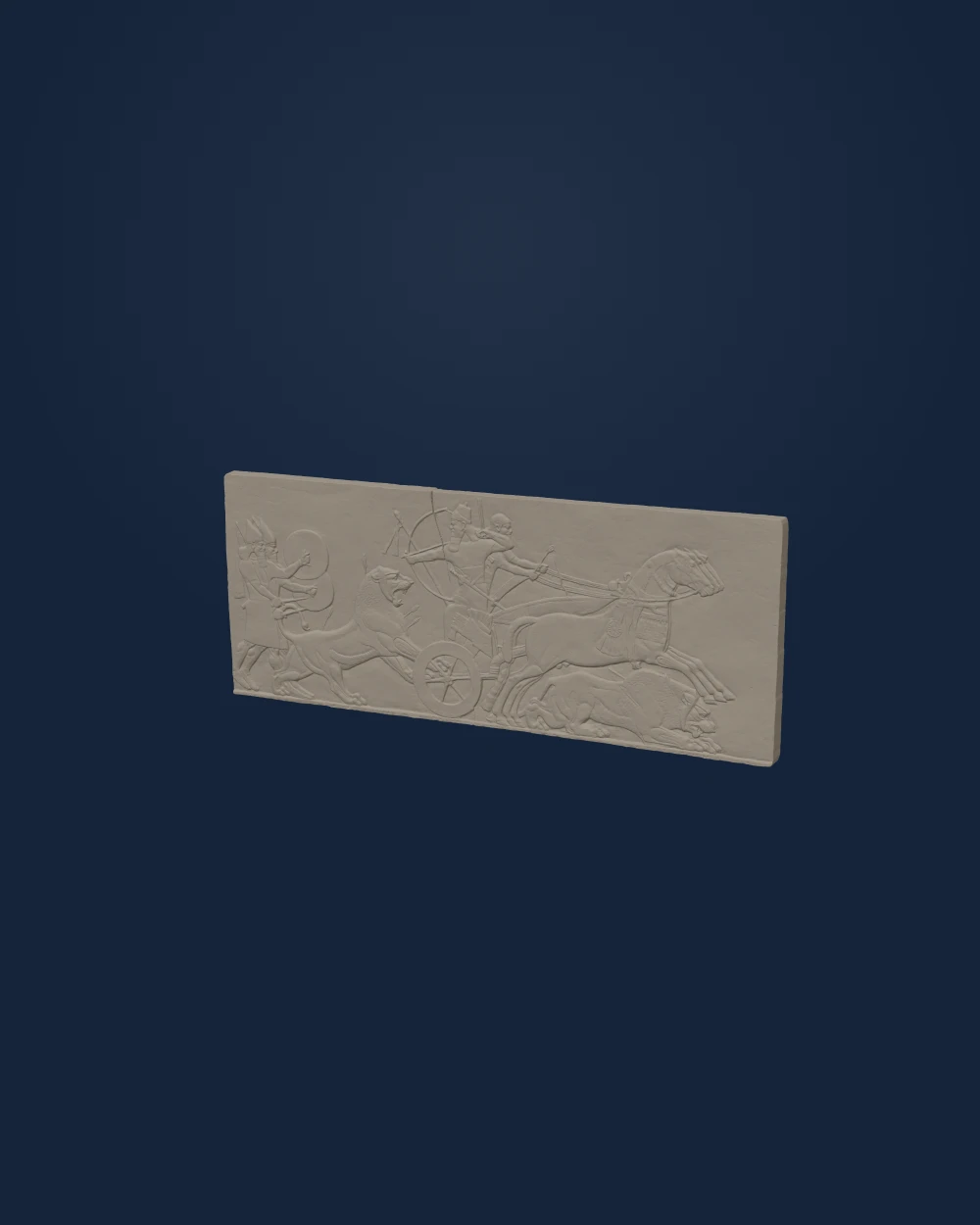 ↗ 06
↗ 06 Animals as vessels, guardians, symbols, and performers
Across three thousand years and several regions, these works use animals to carry religious, political, domestic, and ceremonial meanings. They are not a single tradition; each has its own context and purpose.
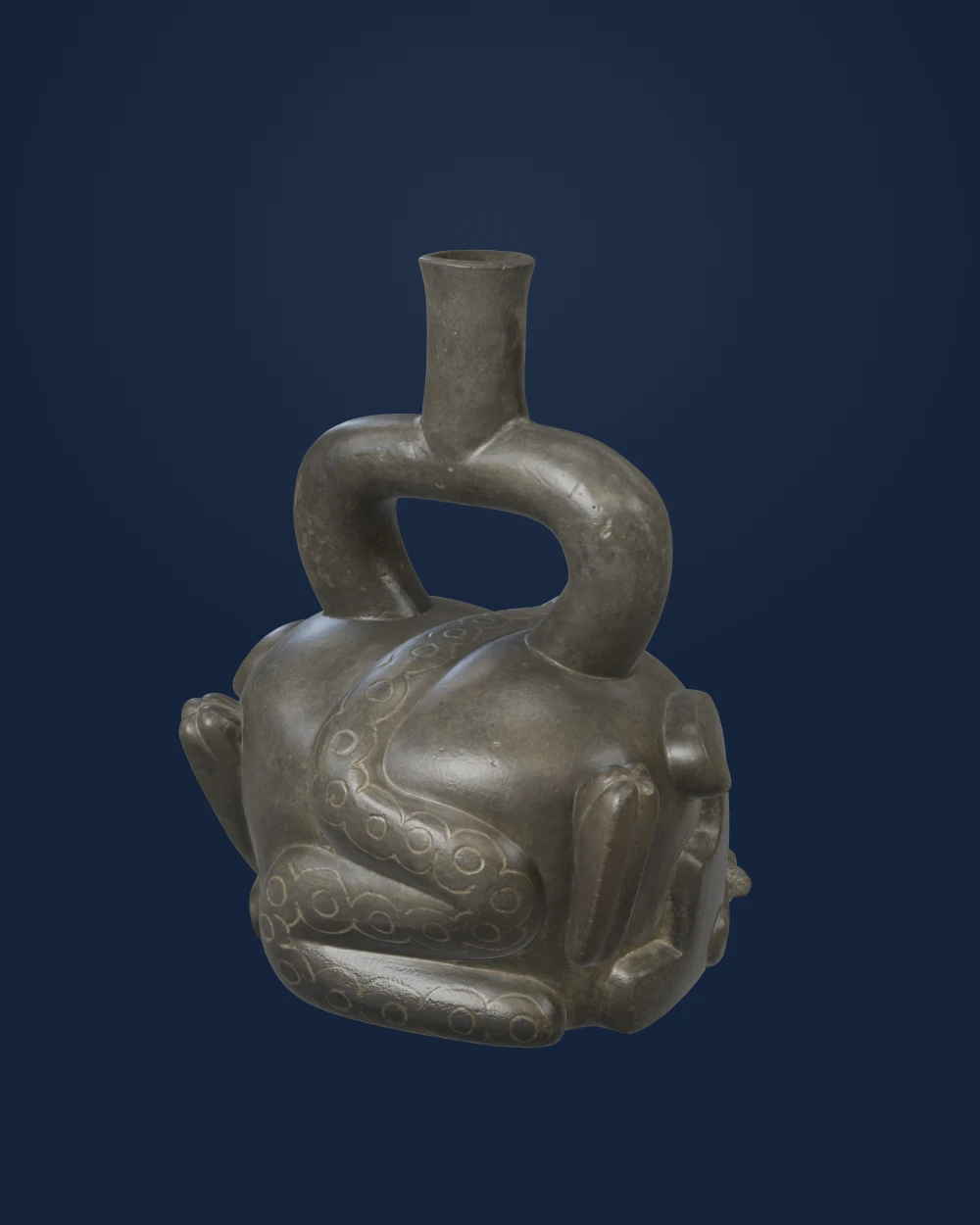 ↗
↗ 04 / Recently added
Unknown Spanish sculptor · c. 1180
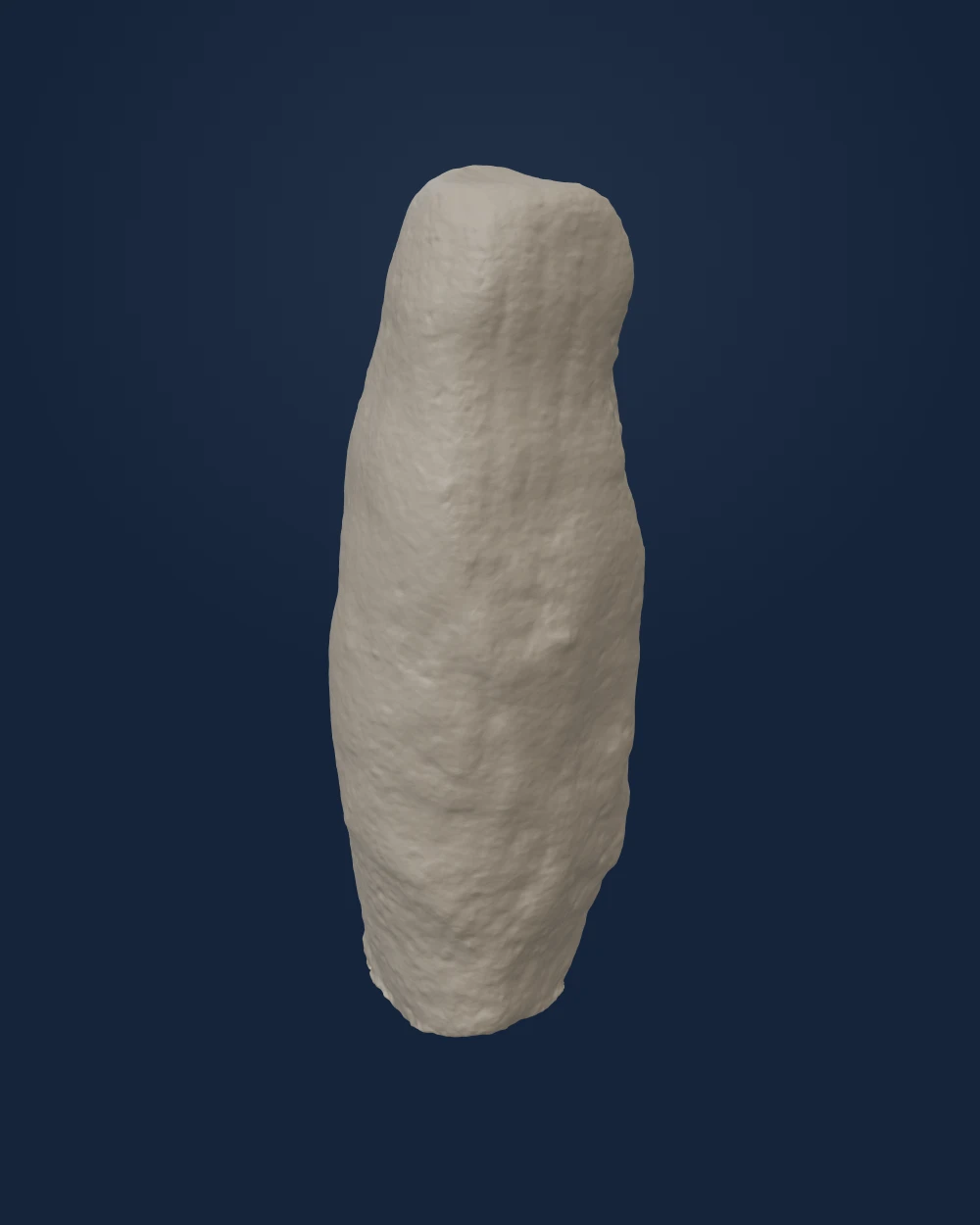
Unknown Neo-Eneolithic maker · c. 4800–4500 BCE
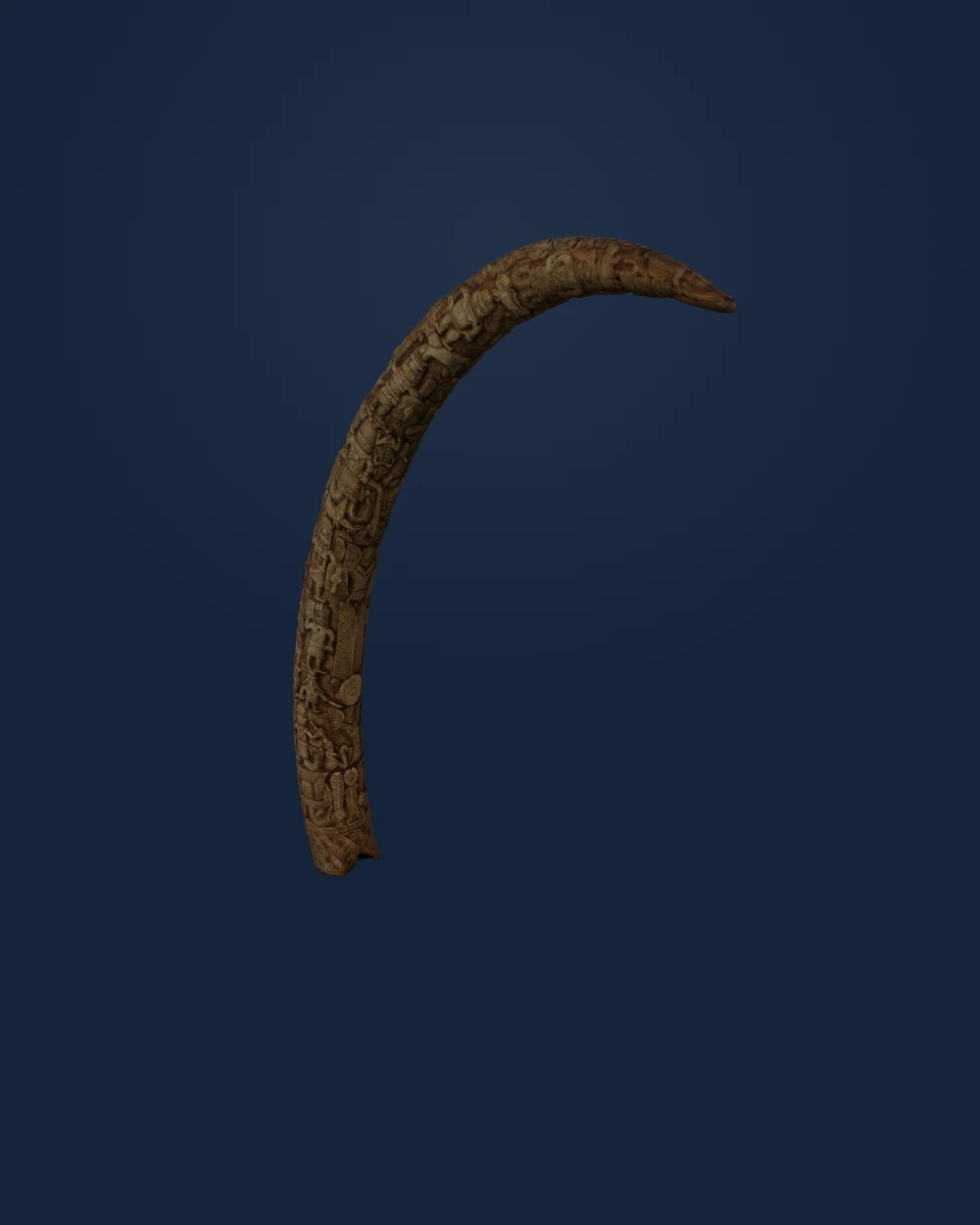
Edo artist · 1775–77
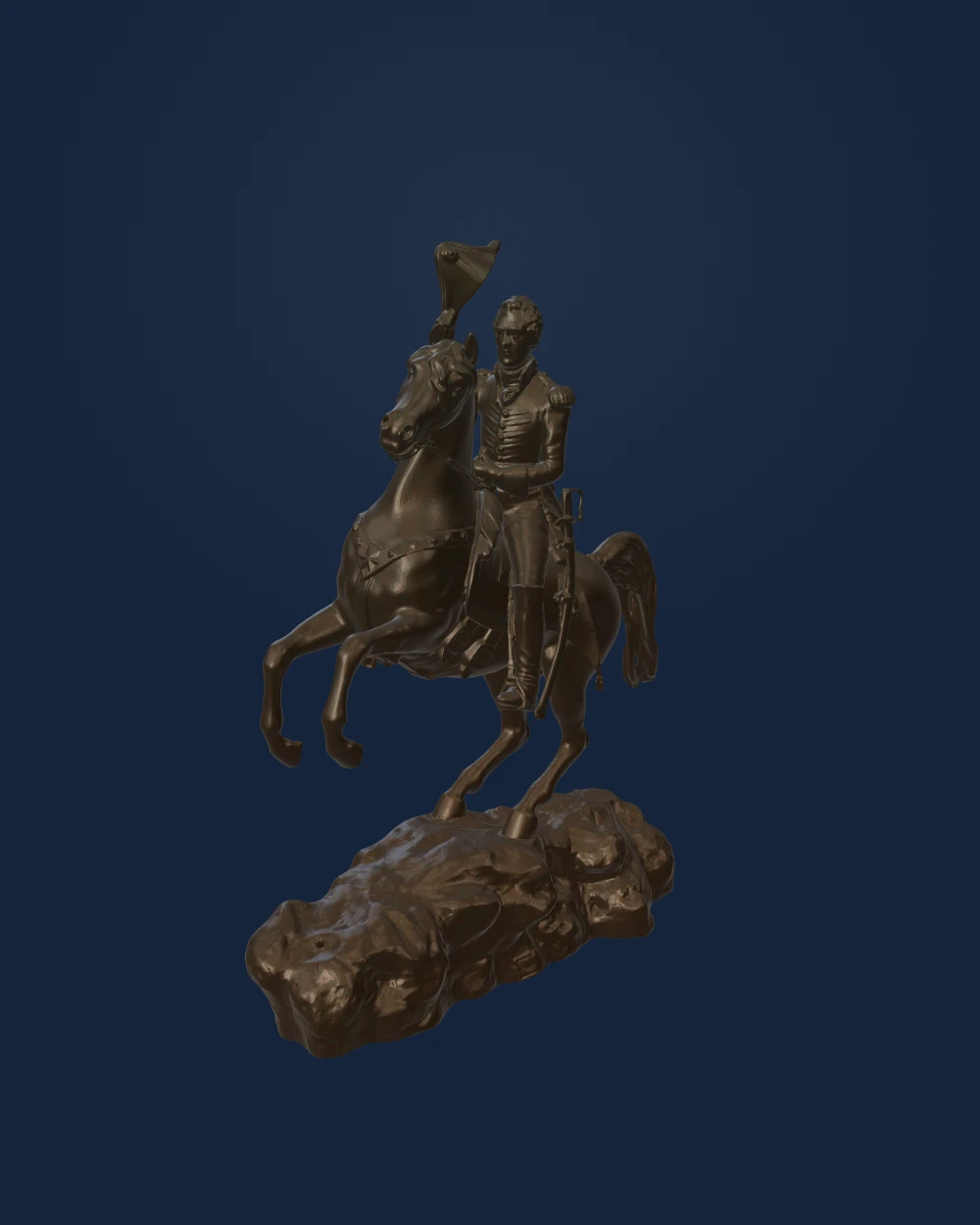
Cast after Clark Mills (1810–1883); studio of Cornelius & Baker · 1855
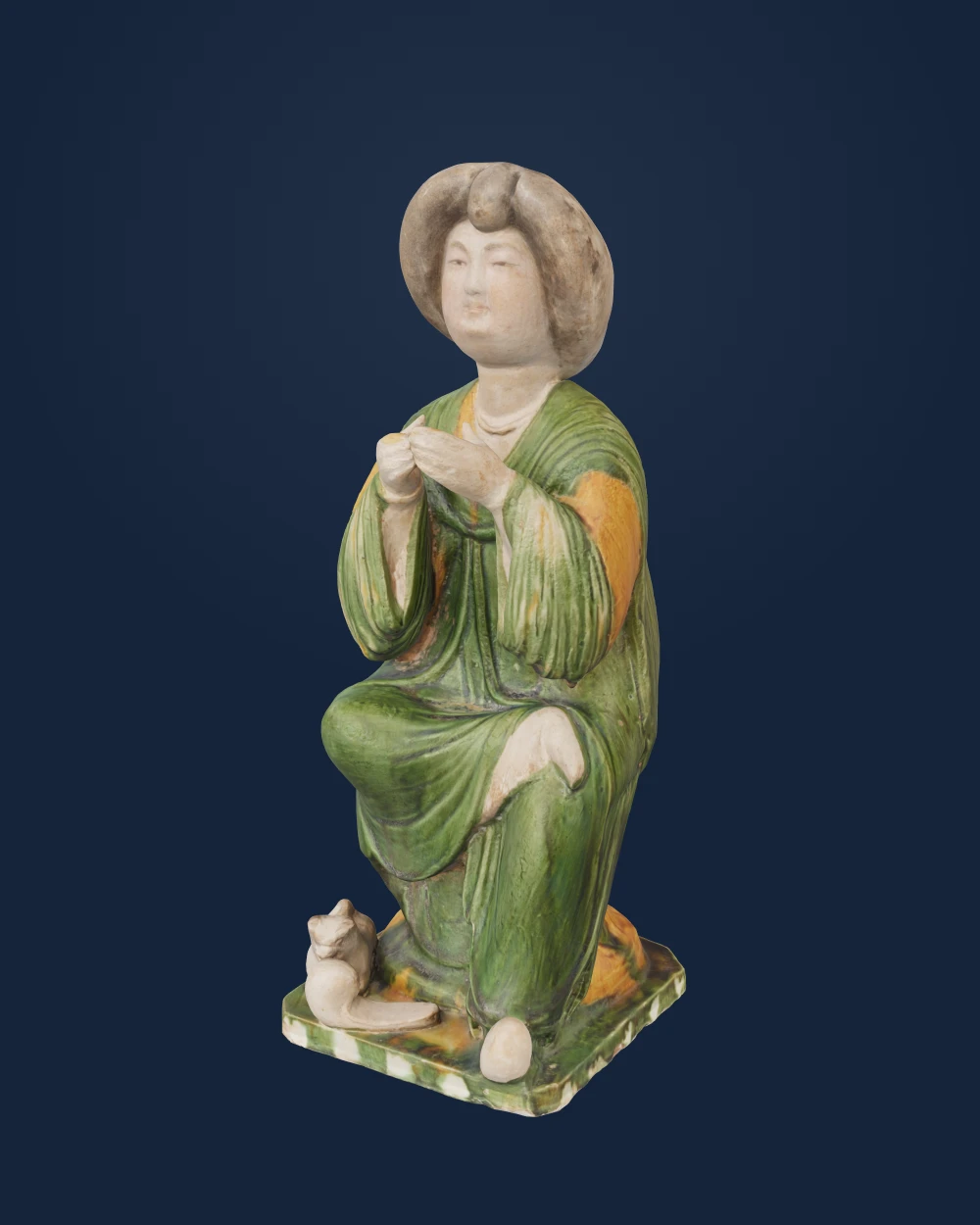
Unknown Chinese sculptor · 8th century
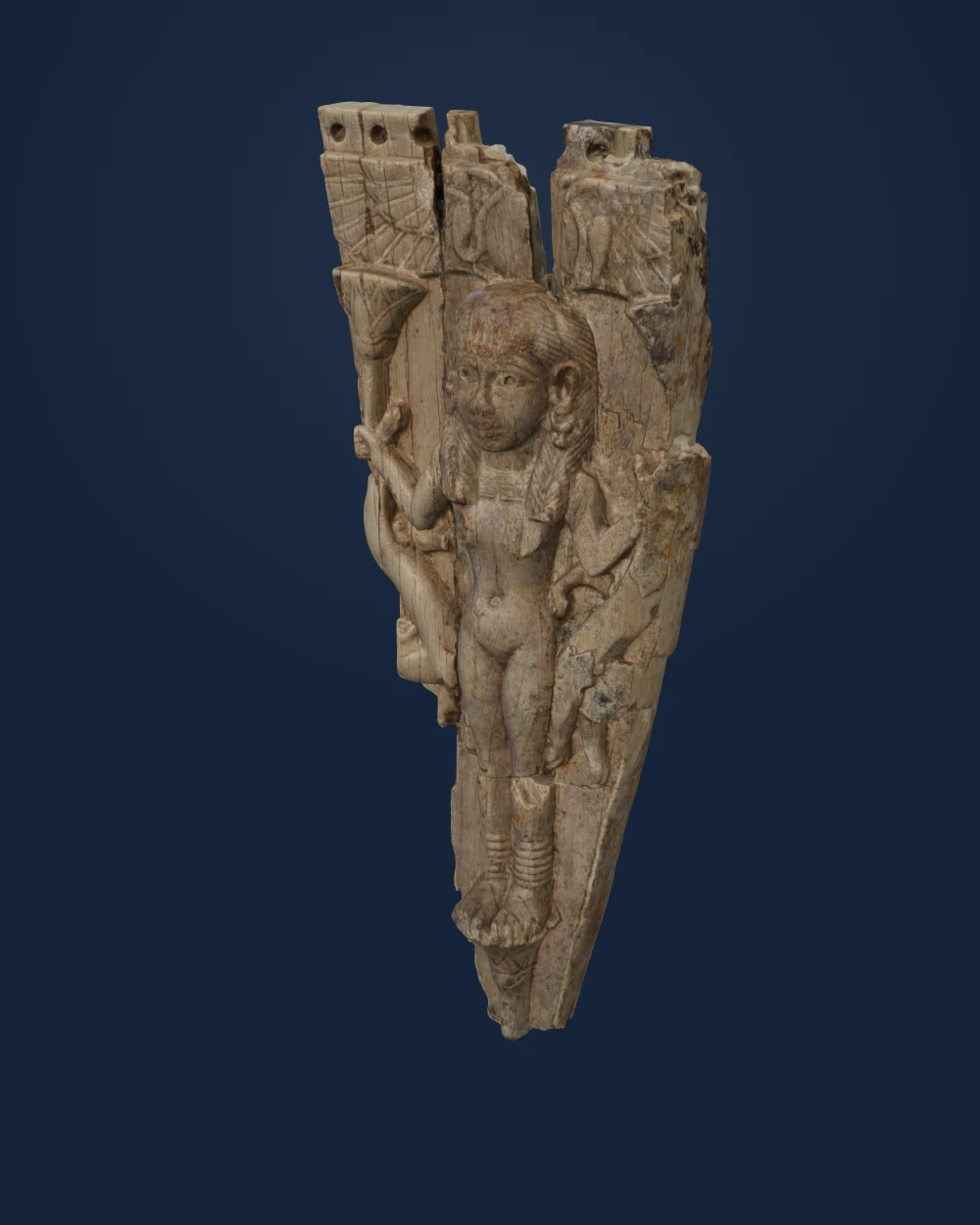
Unknown Assyrian sculptor · ca. 9th–8th century BCE
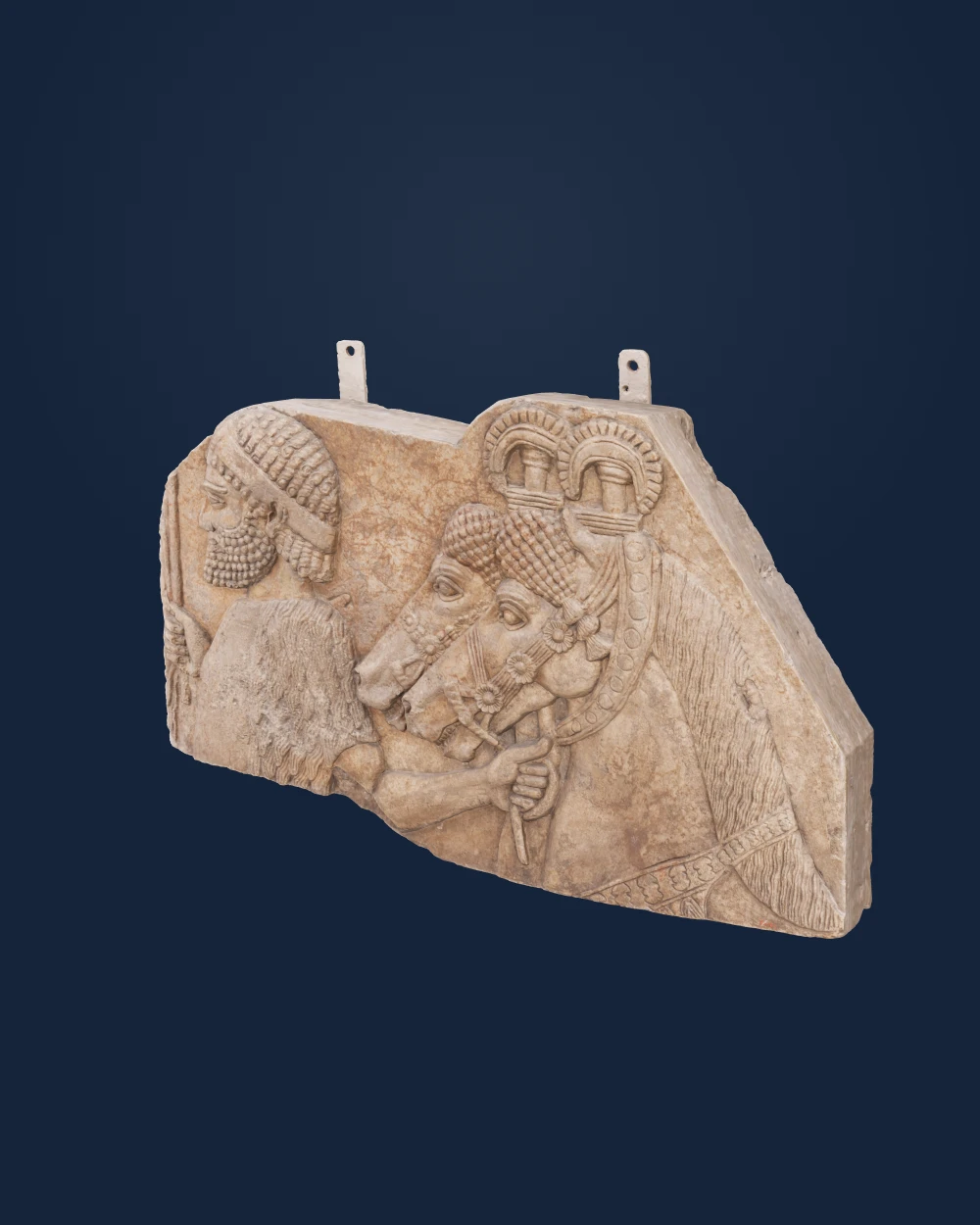
Unknown Assyrian sculptor · ca. 721–705 BCE
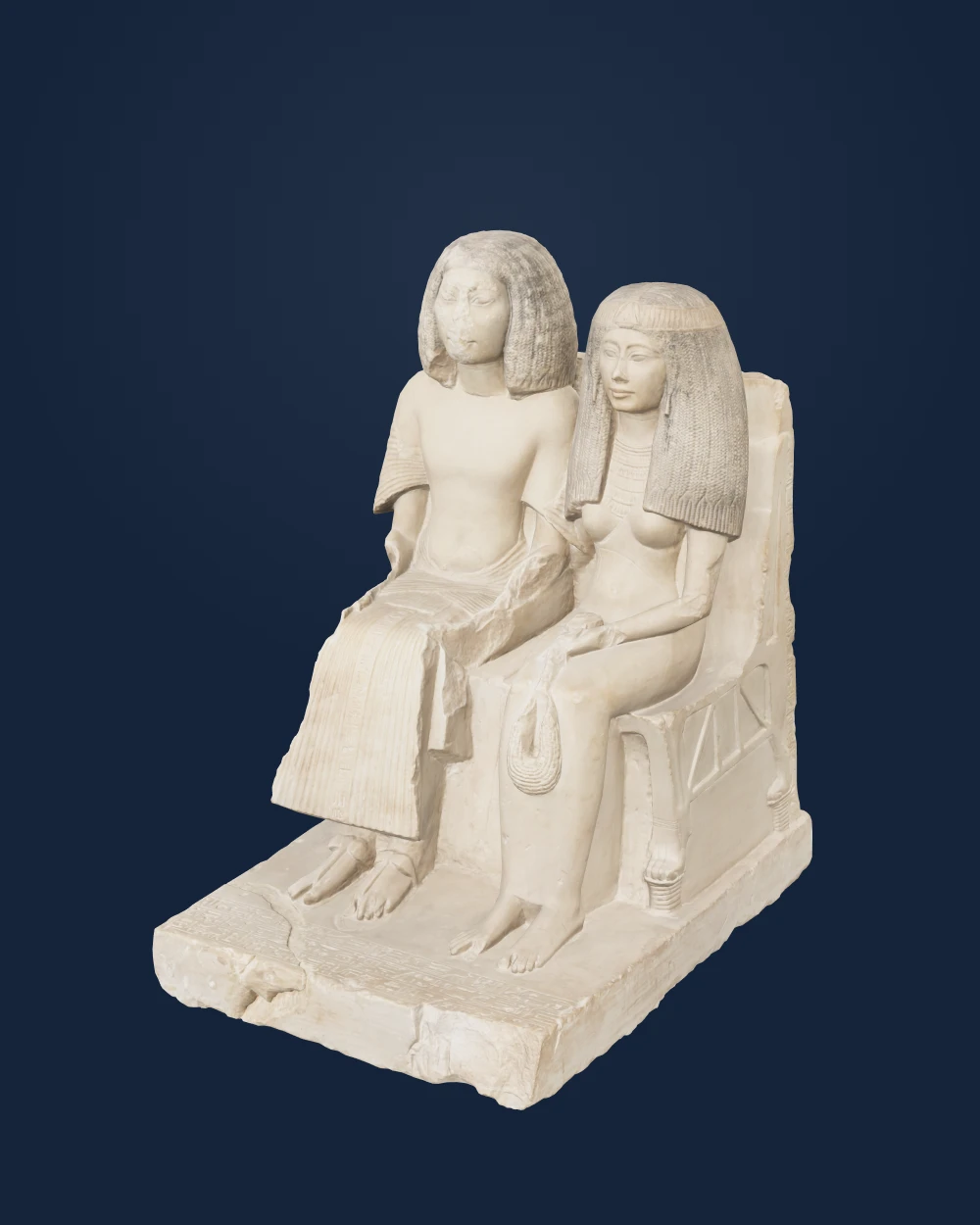
Unknown Egyptian sculptor · ca. 1299–1290 BCE
05 / Random selection
A different starting point can change what you notice.
Choose a work ↗