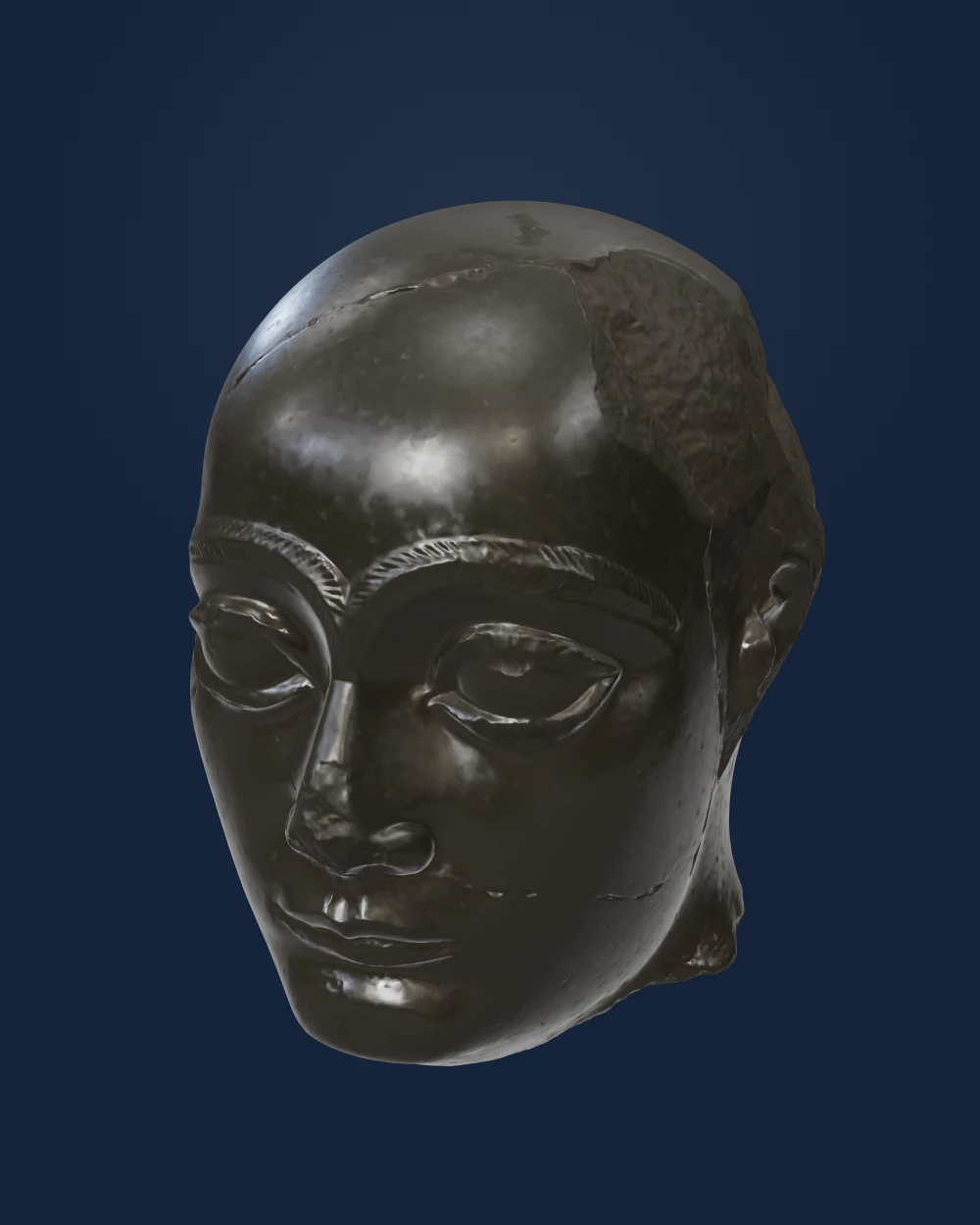
Head Of Gudea
Diorite is difficult to carve and highly durable. This ruler of Lagash was made in a stone whose hard surface has preserved the brow and facial features for roughly four thousand years.
Examine in 3D ↗Exhibition 02 · Rulers, protectors, ancestors
Across time and place, sculpture has represented authority through scale, posture, material, costume, and religious or political symbols.
Begin exhibition ↓About this exhibition
These works show different ways sculpture has represented authority. Compare the materials, scale, facial treatment, gesture, and supporting forms that make rank, protection, or political power visible.
Diorite is difficult to carve and highly durable. This ruler of Lagash was made in a stone whose hard surface has preserved the brow and facial features for roughly four thousand years.
Examine in 3D ↗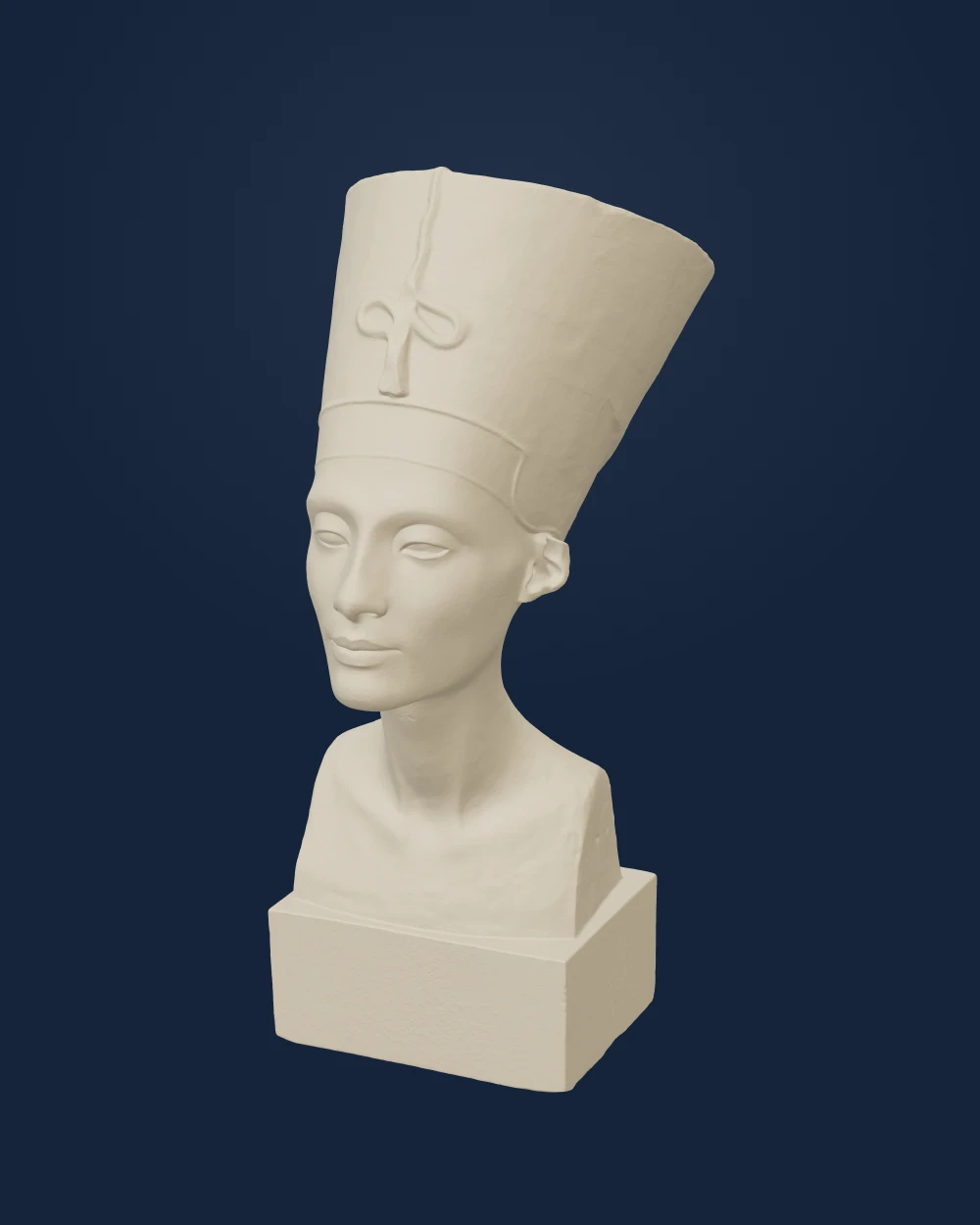
This cast reproduces the limestone bust found in the sculptor Thutmose’s workshop at Amarna. Only one eye is inlaid, using quartz and wax; the missing inlay changes the face when viewed from the left.
Examine in 3D ↗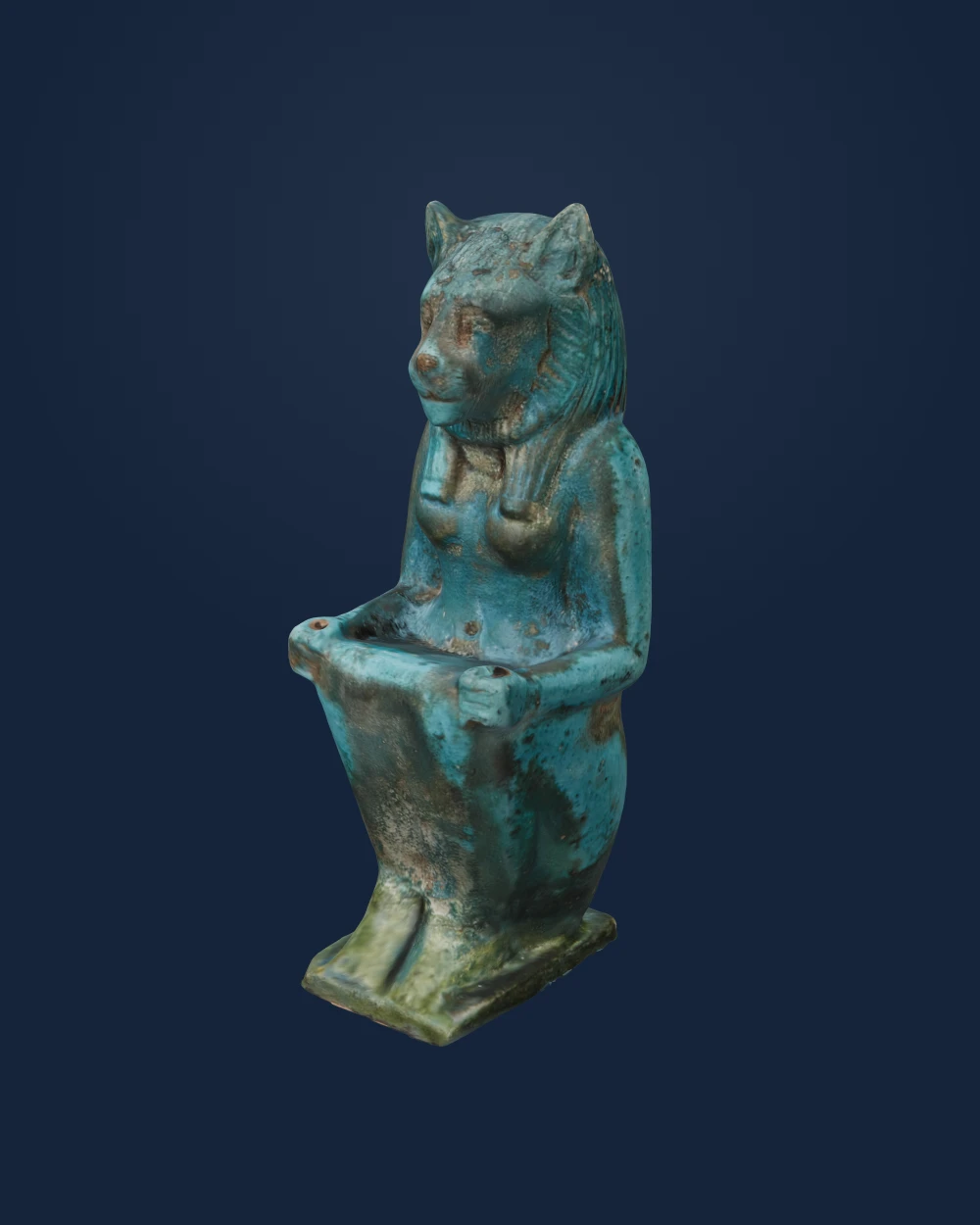
This small glazed-faience figure combines a lioness’s head with a woman’s body. Its scale differs from the monumental Sekhmet statues familiar from Egyptian temples, showing how the deity was also represented in smaller formats.
Examine in 3D ↗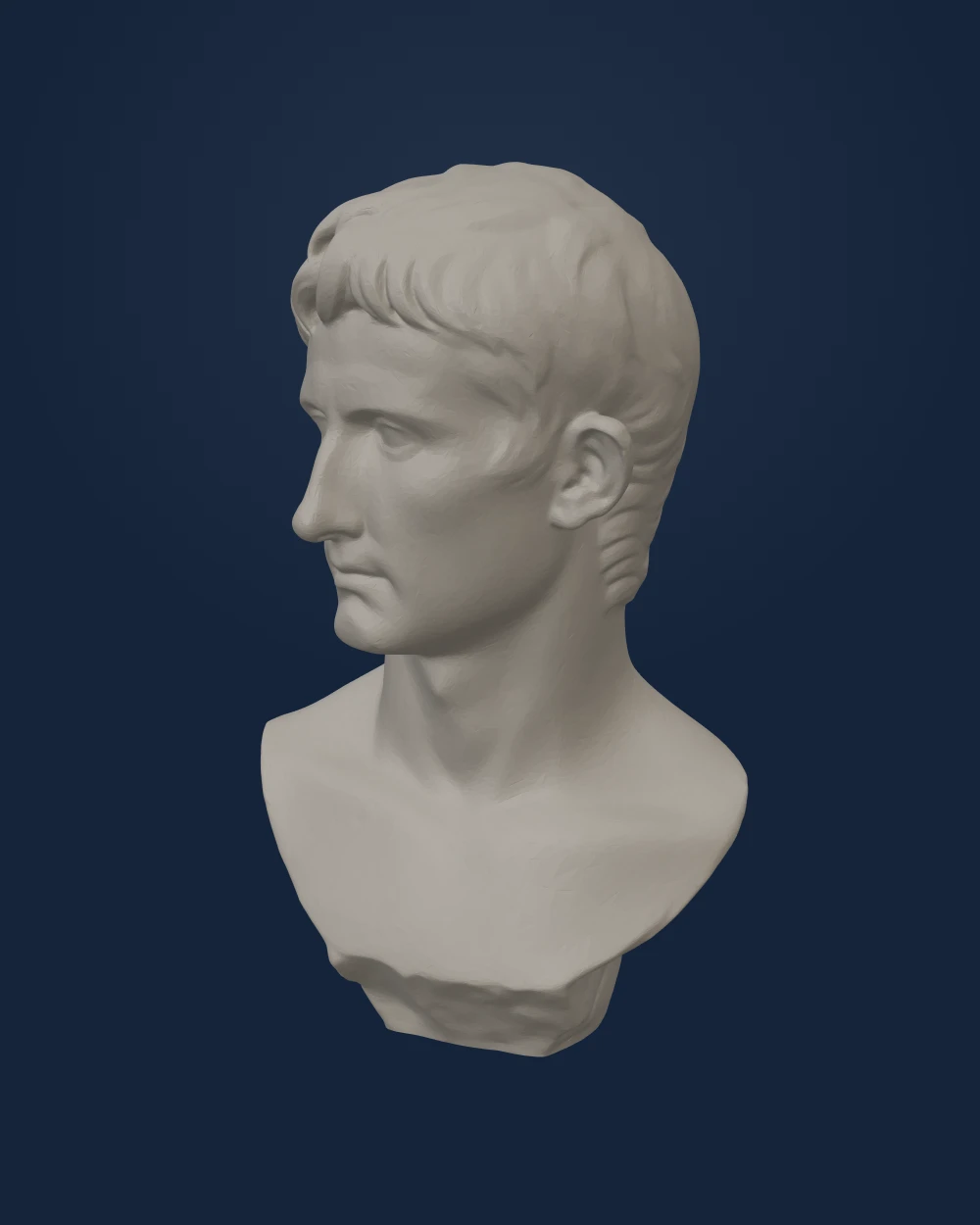
Augustus is shown with a raised arm, bare feet, and a narrative breastplate. The small Cupid on a dolphin below his leg refers to divine lineage and also helps support the marble figure.
Examine in 3D ↗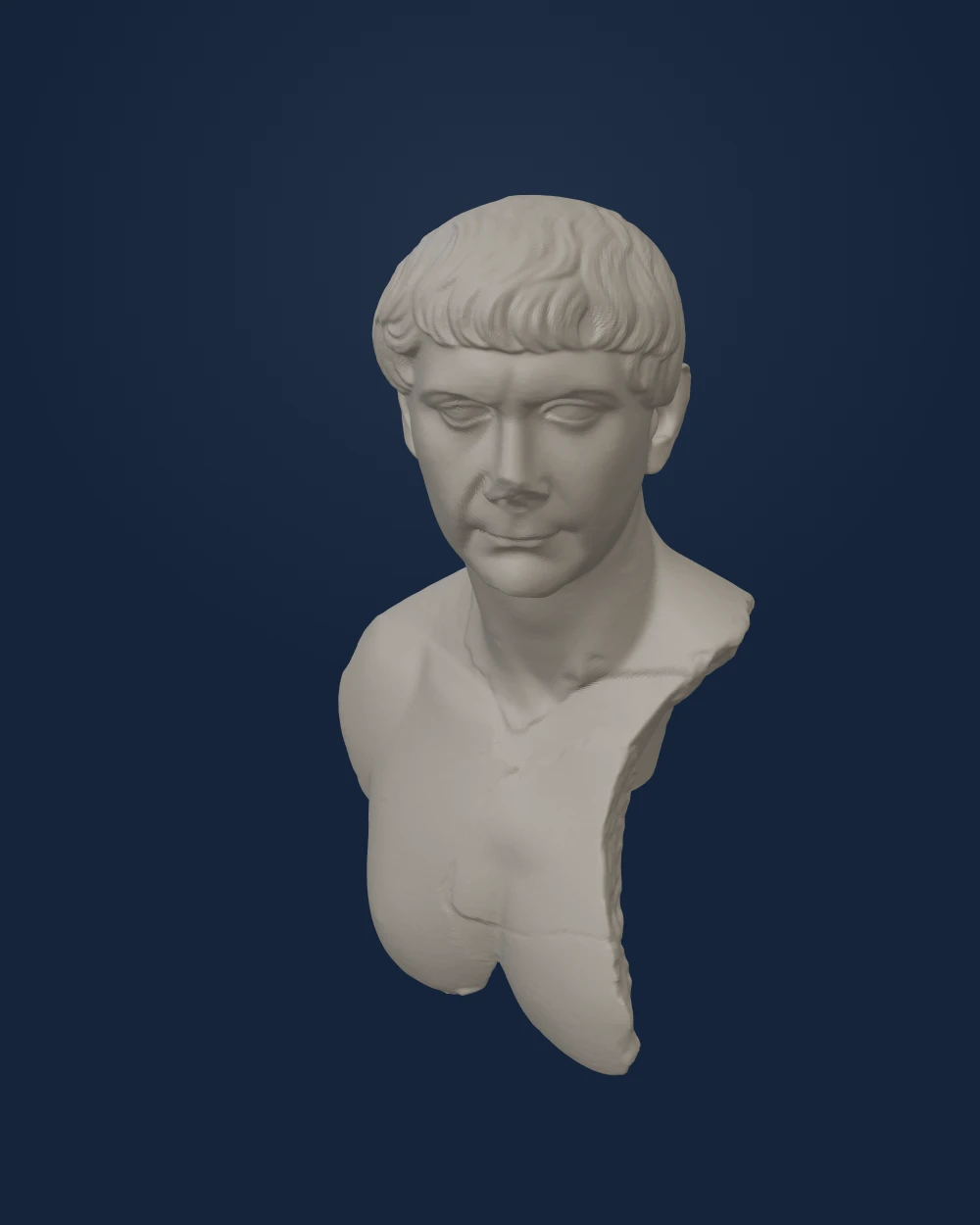
This Carrara-marble portrait presents Trajan with a plain fringe combed across the forehead rather than elaborate royal regalia. The restrained treatment is part of the visual language of a soldier-emperor.
Examine in 3D ↗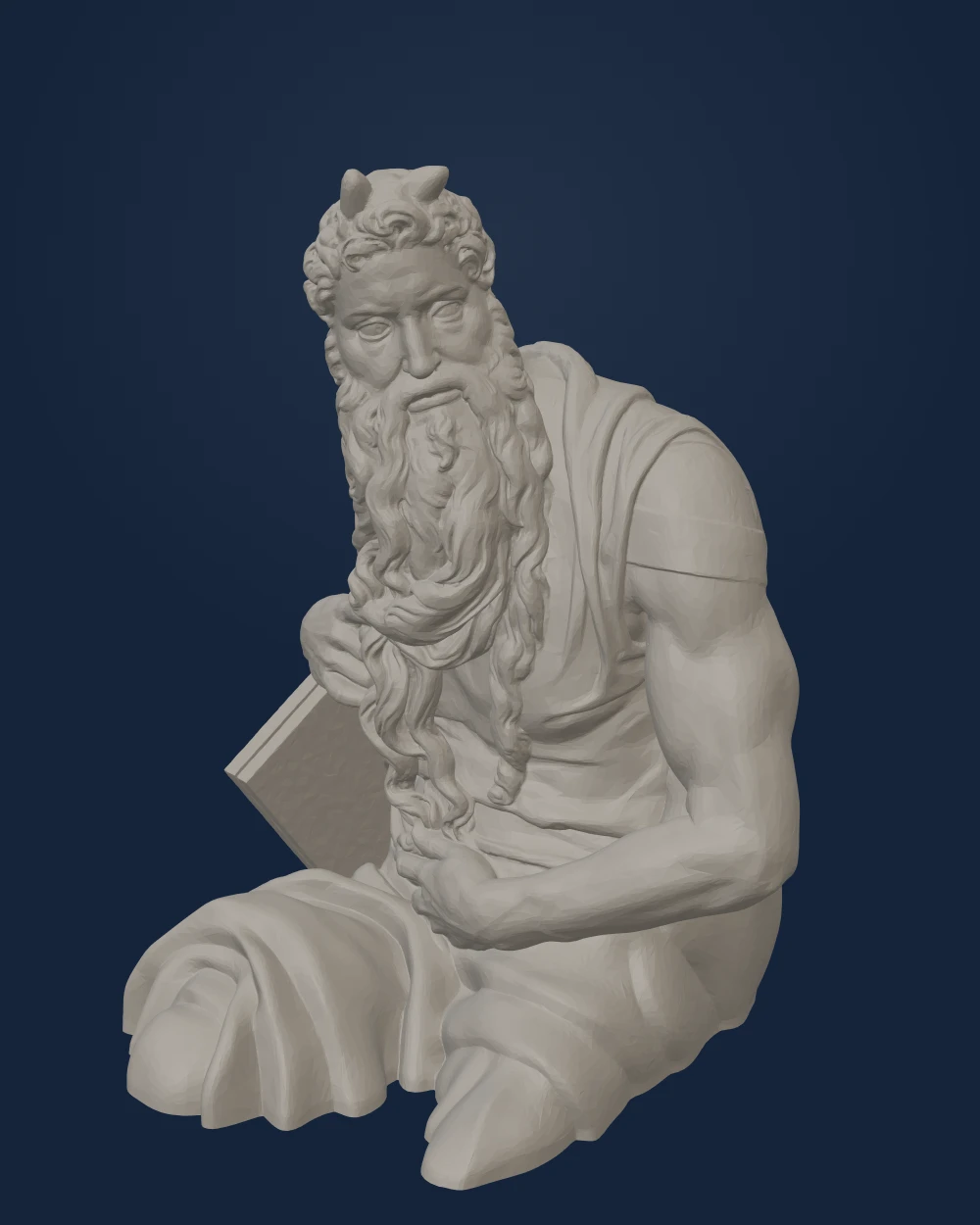
This plaster is after Michelangelo’s Moses for the tomb of Julius II. The horns, tablets, and turned torso identify the figure; the right hand draws the beard aside as the seated body shifts.
Examine in 3D ↗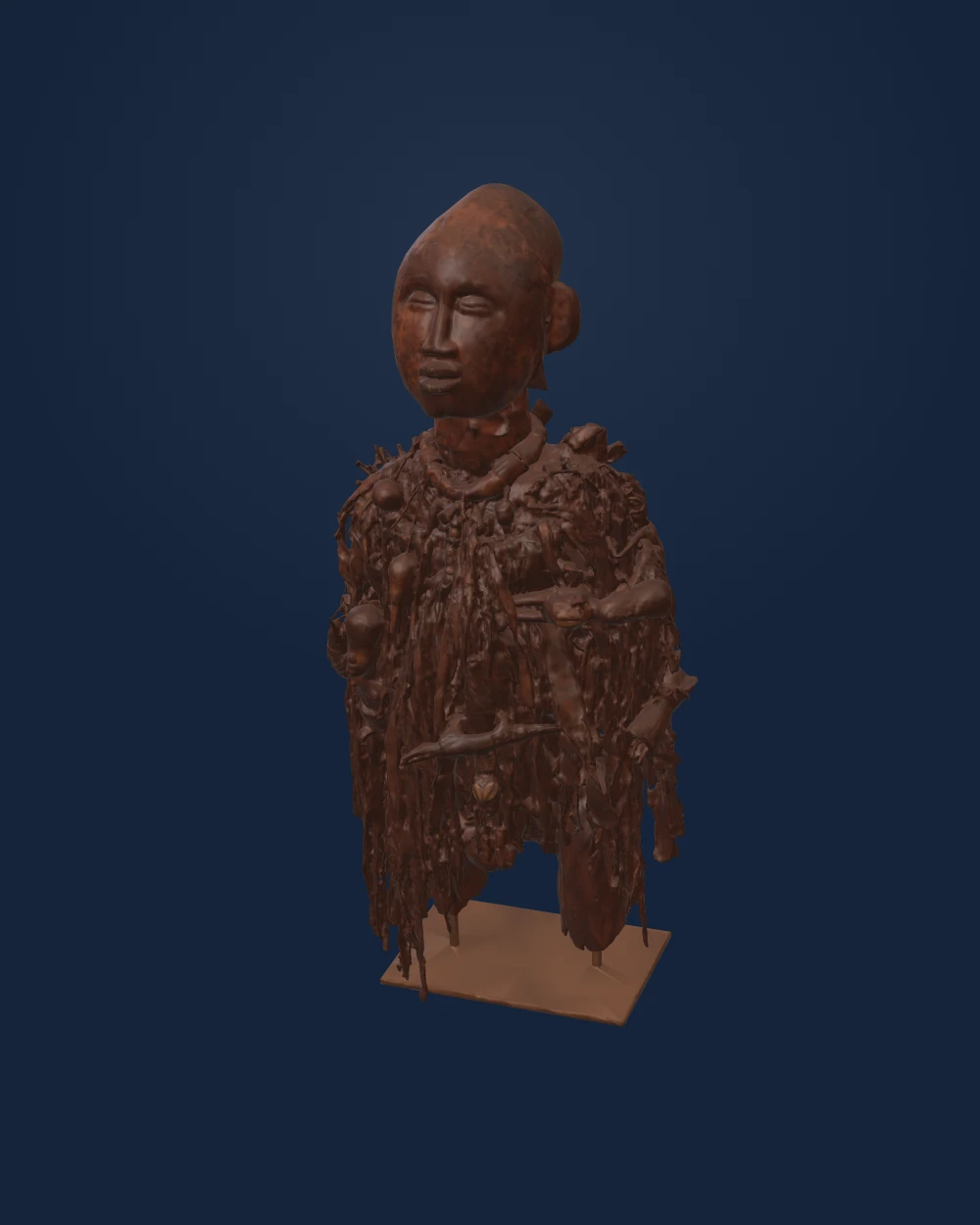
Iron, brass, tin, arrows, and cowries have been added to this figure. In Kongo contexts, an nganga could activate nkisi figures in matters such as oaths and disputes; the accumulation of materials is visible around the entire form.
Examine in 3D ↗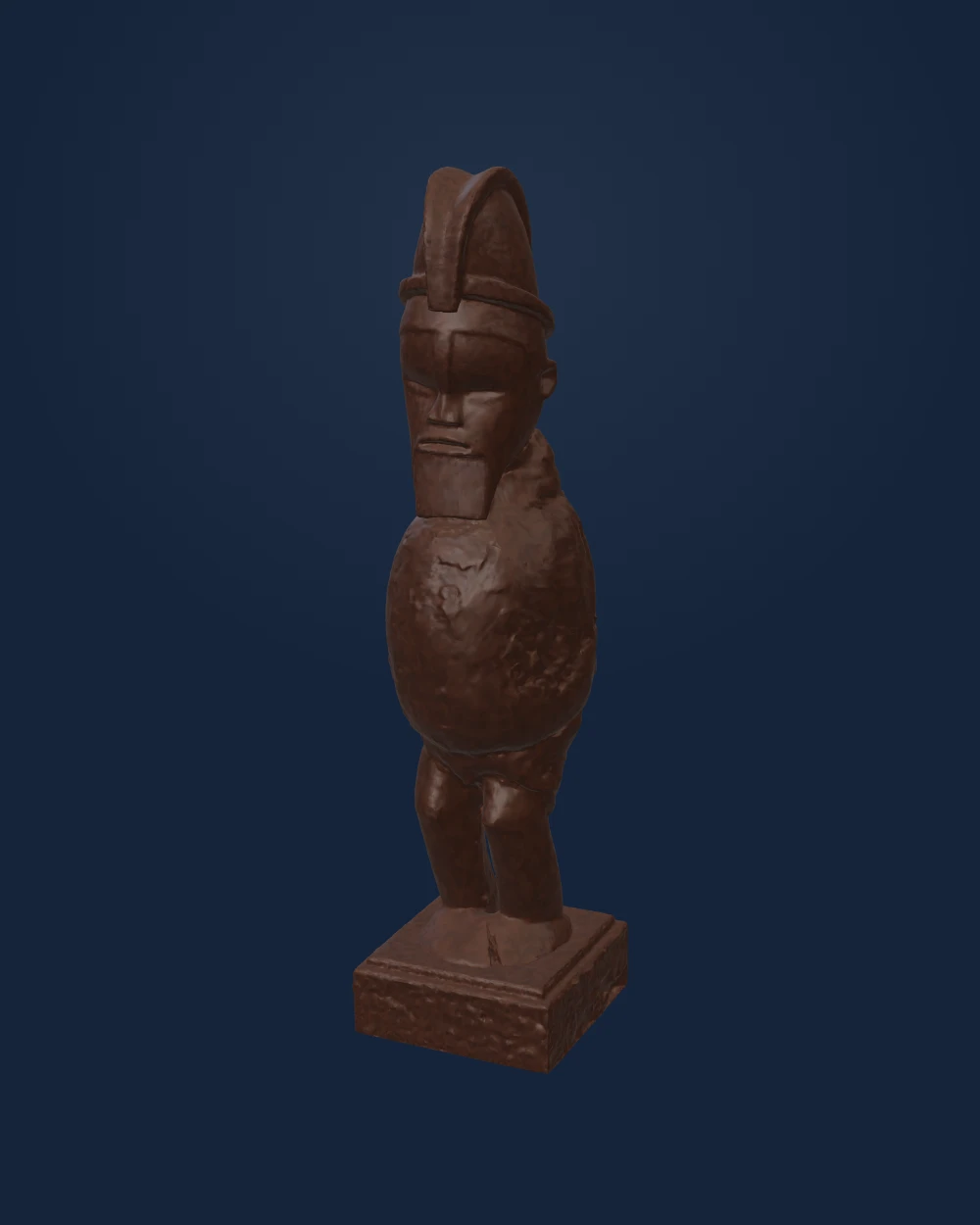
The carved head is fully visible, while the torso is enclosed in cloth and organic material. The construction suggests that the contained materials were integral to the work, not simply a covering.
Examine in 3D ↗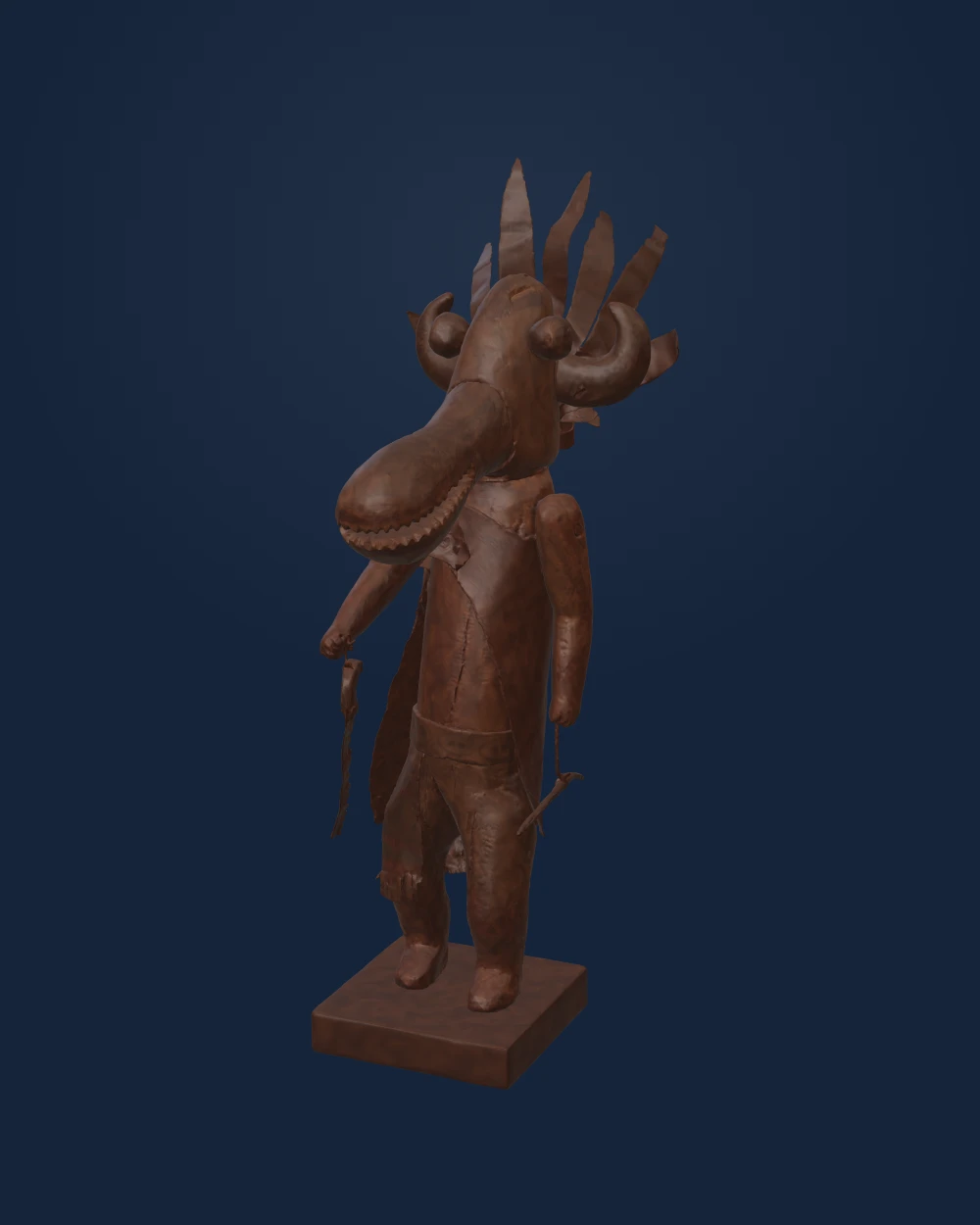
This figure combines carved cottonwood with pigment, cotton cloth, tanned leather, and metal. The separate additions are important to its construction and can be identified from different sides.
Examine in 3D ↗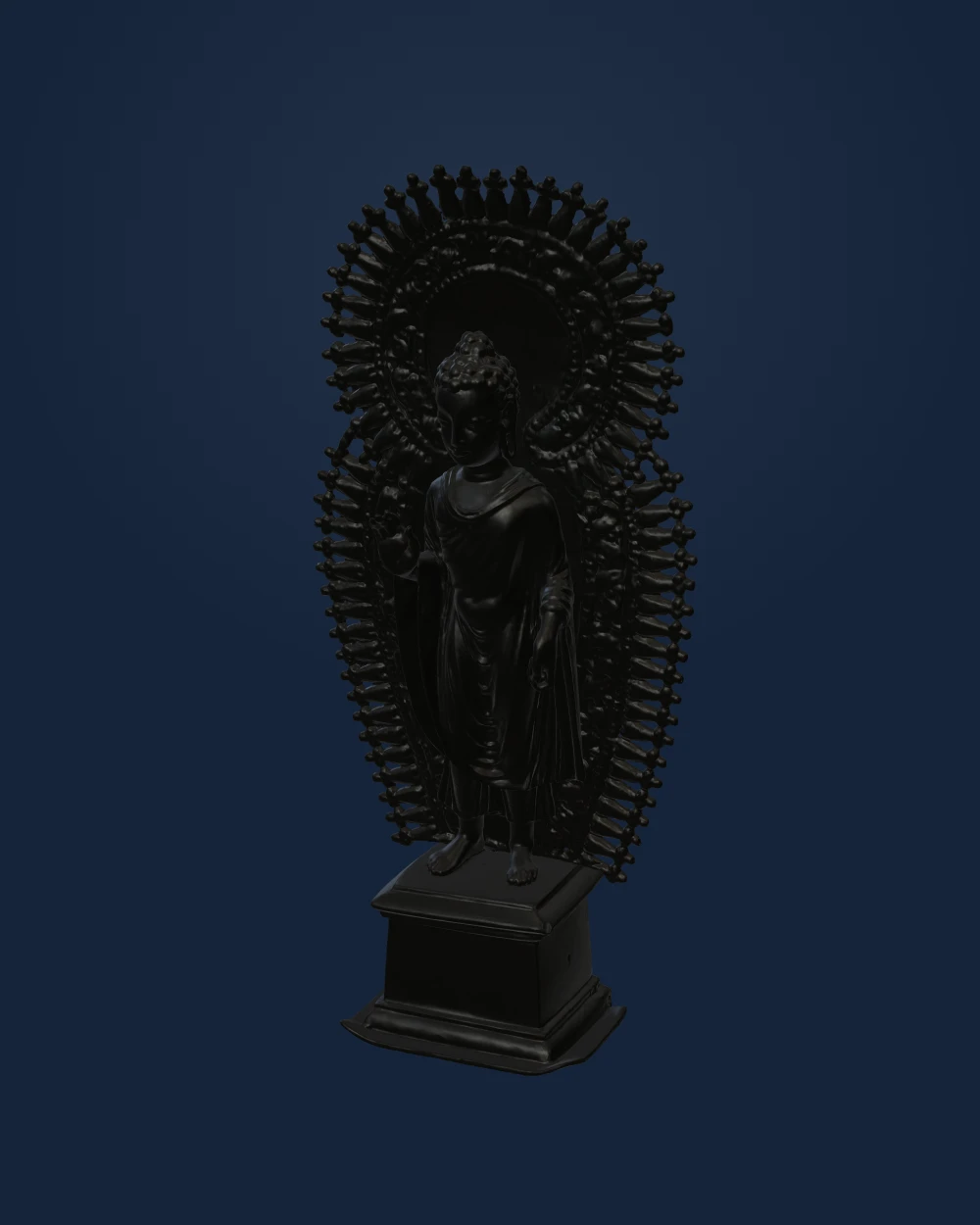
This late sixth-century brass figure has a single halo that encloses both head and body. The radiating form explains the "combined halo" in its title; changes in light make the raised rays easier to see.
Examine in 3D ↗